Latest videos

Subscribe for more: https://bit.ly/41e9bmi
The official home of Gypsy Weddings!
Playlists
👑My Big Fat Gypsy Wedding Season 1: https://bit.ly/4hXILL0
👑Gypsy Shorts: https://bit.ly/4hRzVOW

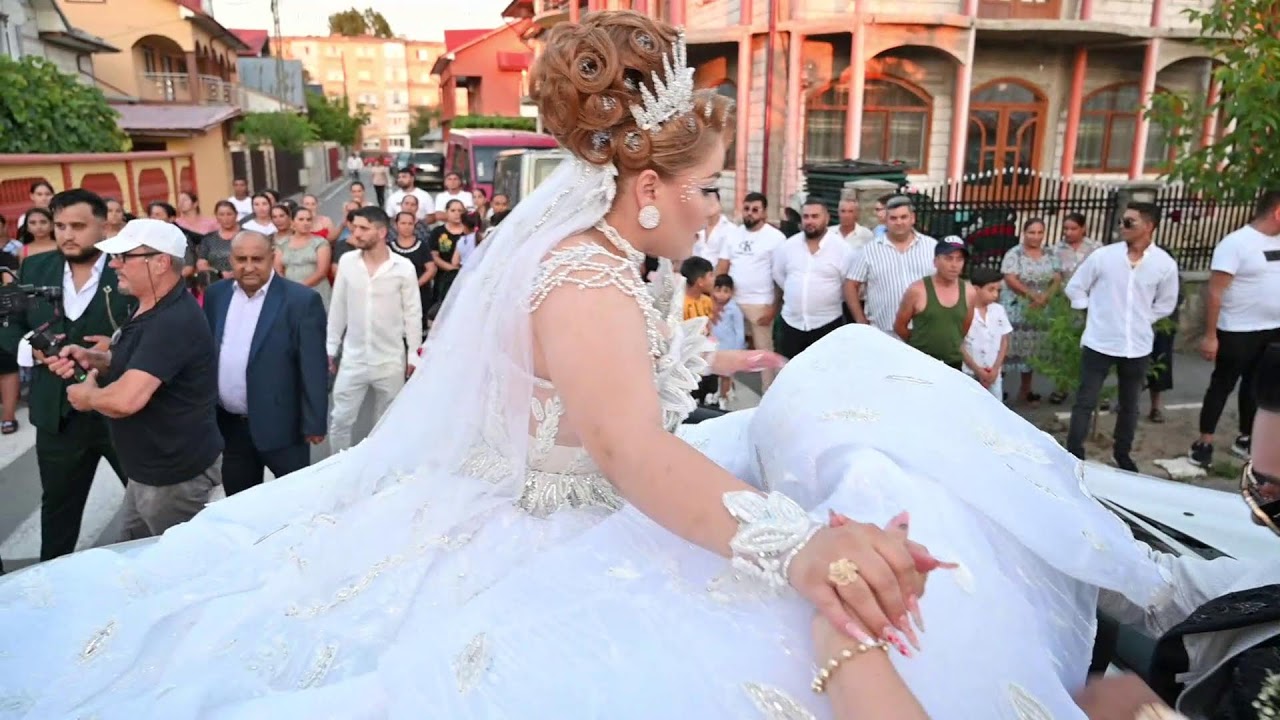
A day like no other spent with the wealthiest of Gypsy People of Romania. Check out Odoo here: https://www.odoo.com/r/3iV
📷 My Instagram: https://www.instagram.com/indigo.traveller/
-Want to support these videos? Visit: https://www.patreon.com/indigotraveller
🎵 Where I got all of the music for this video, free 30-day trial: http://share.epidemicsound.com/indigotraveller
✉️ My e-mail: nick@indigotraveller.org
🌍Filmed in Strehaia, Romania 2025 - Thank you for watching

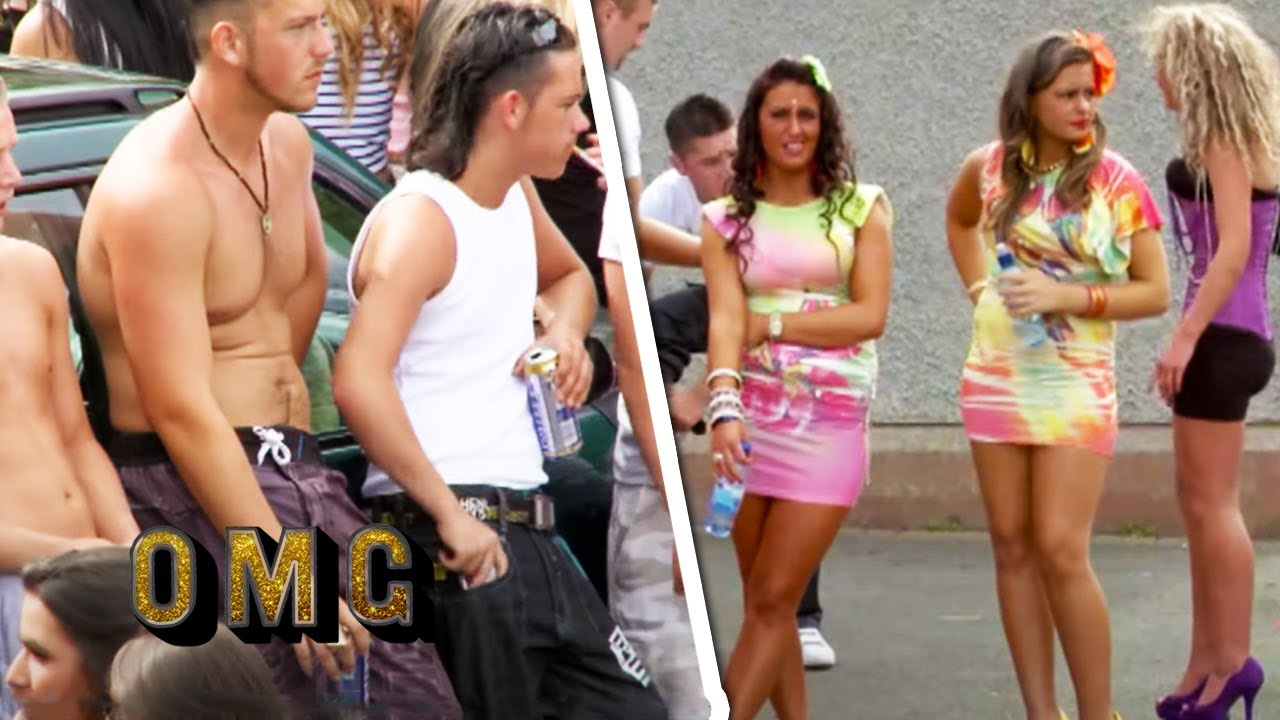
In gypsy and traveler culture marrying outside of the community has long been frowned upon. But with their nomadic lifestyle under threat and the younger generation becoming more influenced by non-traveler culture, intermarriage is on the increase.
This episode explores further the cultural divide between gypsies and non-gypsies and looks at what happens when the two worlds are thrust together in marriage.
Subscribe for more! https://bit.ly/3ManoGP
Click here for more Gypsy Weddings: https://bit.ly/3w4EFvt
Thelma's Girls: https://bit.ly/3sx7DlM
Unusual Weddings: https://bit.ly/3sv00w2
Marriage Advice: https://bit.ly/3M9J6Li
Content licensed from Firecracker Films. For any enquiries, please contact us at info@passiondistribution.com

In this video, we will explore the history and culture of the Romani people, also known as Gypsies, and address the harmful stereotype that they are prone to stealing.
Firstly, we will discuss the origins of the Romani people and their migration from India to Europe in the 14th century. We will also touch upon the discrimination and persecution they faced throughout history, which led to their nomadic lifestyle.
Then, we will examine why the stereotype of Gypsies as thieves persists in society. We will challenge this harmful stereotype by showing that it is not based on fact but instead rooted in racism and prejudice.
Finally, we will offer suggestions for combatting these stereotypes and working towards a more inclusive and respectful society.
Join us as we seek to understand and appreciate the complex history and culture of the Romani people and reject harmful stereotypes.
I use WISE to spend like a local while traveling! Get yours here: https://wi.se/josieliftsthings and get your first transfer fee-free up to £500!
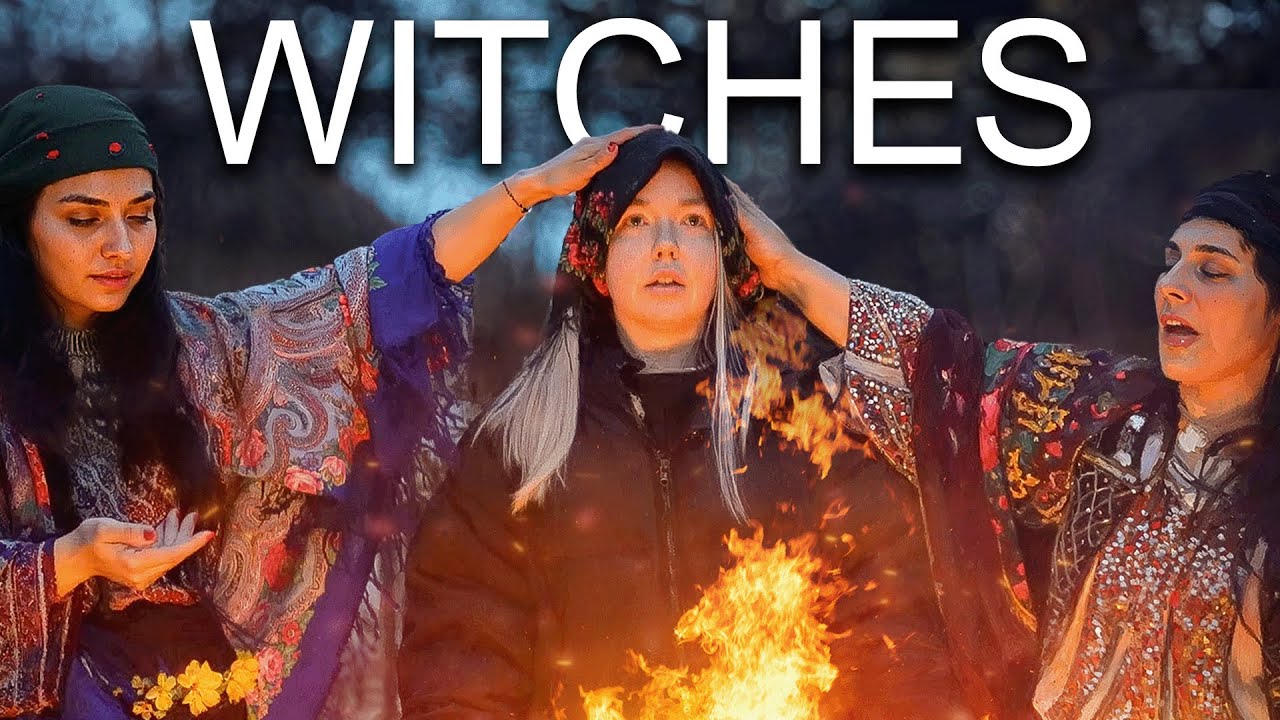
What happens when you spend time in the home of The Most Powerful Witch in Europe, Mihaela Minca. You can find the Most Powerful Witches of Europe here: https://linktr.ee/witchesofeurope
Choose connection over division. Shop my brand just say hello here: https://justsayhello.co
If you want to do Youtube, let me help you here: https://www.skool.com/the-layover-lounge
*Directly support the stories:*
Join my Patreon: https://www.patreon.com/join/josieliftsthings
Join as a channel member: https://www.youtube.com/channe....l/UCbDelWG0lH_xzQjnH
My WISE travel card (first transfer fee free or free card): https://wi.se/josie
*Find My Socials Here:*
Instagram https://www.instagram.com/josieliftsthings
Tik Tok https://www.tiktok.com/@josieliftsthings
Tik Tok 2 https://www.tiktok.com/@josievlogsthings
Facebook https://www.facebook.com/josieliftsthings/
Discord https://discord.gg/vHXdbnDKBC
Subscribe to my second channel! https://www.youtube.com/@josievlogsthings
Join my discord community! https://discord.gg/vHXdbnDKBC
*My newsletter:*
https://www.josieliftsthings.com/contact
*Sponsorship/Brand inquiries only:*
hello@josieliftsthings.com

Subscribe for more! https://bit.ly/3ManoGP
Click here for more Gypsy Weddings: https://bit.ly/3w4EFvt
Thelma's Girls: https://bit.ly/3sx7DlM
Unusual Weddings: https://bit.ly/3sv00w2
Marriage Advice: https://bit.ly/3M9J6Li
Content licensed from Firecracker Films. For any enquiries, please contact us at info@passiondistribution.com
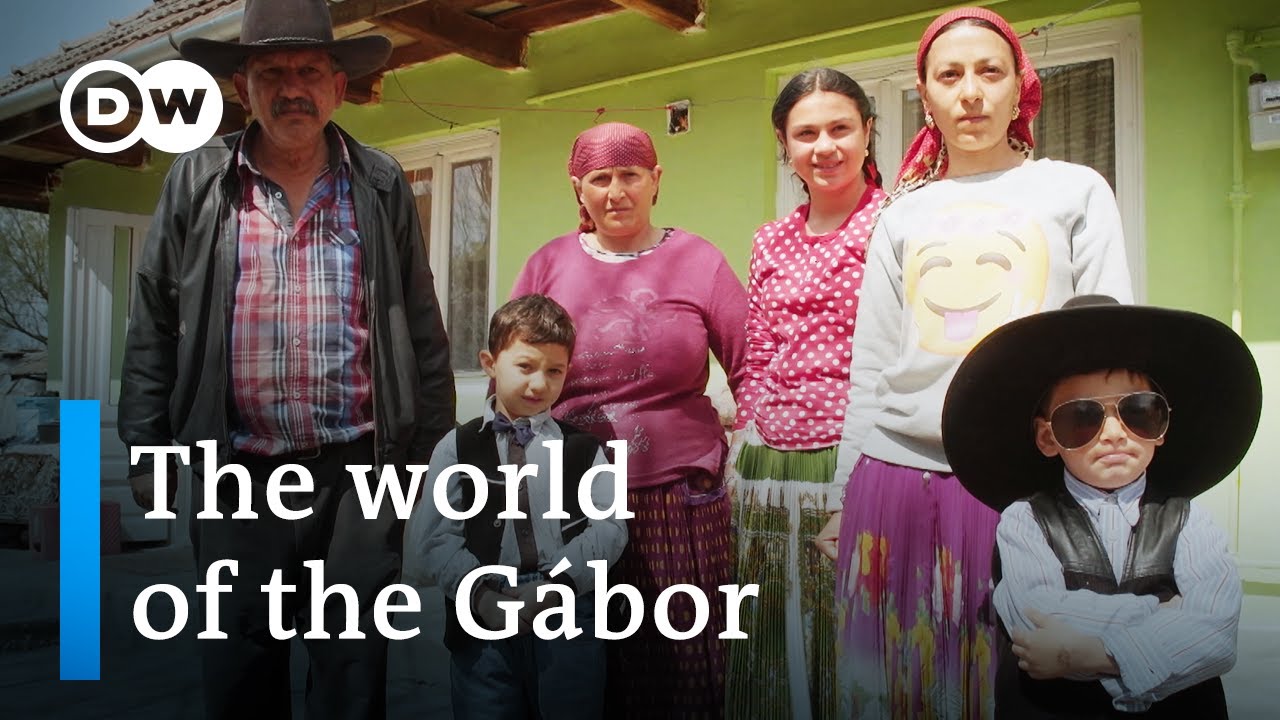
For 500 years, Transylvania’s Gábor people have held onto their values and rituals. This film explores the insular world of the Gábor Roma, and asks whether they can maintain their traditional lives in a globalized world.
The Romanian village of Karácsonyfalva is the center of the Gábor Roma community. More than 1,000 Gábor live there. The men wear large black hats, the women long skirts. The men travel all over Europe as traders, while the women raise the children. Most Gábor belong to the Adventist denomination. Many only learned to read in order to study the Bible. Abstaining from pork and above all from alcohol and tobacco makes them targets of curiosity. Considered aristocratic among the Roma people, the Gábor have their own laws in all areas of life. Problems are solved within the community; in cases of conflict, even the police turn to the community leaders. Their biggest and most important celebration is the wedding, the foundation of their society. Gábor marry exclusively among themselves. For this reason, girls are removed from school at age 11 and married at 14. Boys move from organized education to the "school of life" at 14. This documentary follows the marriage of 14-year-old Mundra to 16-year-old Bobbi, while giving a portrait of their families and the wider community. For the first time, they share an insight into their exciting, colorful, contradictory and insular world, in which wealth and poverty collide. This is a tight-knit community, one caught between tradition and the pressures of modernity.
ـــــ
DW Documentary gives you knowledge beyond the headlines. Watch top documentaries from German broadcasters and international production companies. Meet intriguing people, travel to distant lands, get a look behind the complexities of daily life and build a deeper understanding of current affairs and global events. Subscribe and explore the world around you with DW Documentary.
Subscribe to:
DW Documentary: https://www.youtube.com/channe....l/UCW39zufHfsuGgpLvi
DW Documental (Spanish): https://www.youtube.com/dwdocumental
DW Documentary وثائقية دي دبليو: (Arabic): https://www.youtube.com/dwdocarabia
For more visit:
http://www.dw.com/en/tv/docfilm/s-3610
Instagram:
https://www.instagram.com/dwdocumentary/
Facebook:
https://www.facebook.com/dw.stories
We kindly ask viewers to read and stick to the DW netiquette policy on our channel: https://p.dw.com/p/MF1G

Gypsies and Travellers have been clashing with outsiders for hundreds of years... but come hell or high water, they’re here to stay. In this exciting new series, we reveal the hidden world behind this incredible community and witness first hand how they have to fight for survival every minute of every day.
We’ll delve deep into their unique traditions and uncover their ancient codes to witness first hand how this community thrives against all odds. We’ll discover how they battle to keep their culture alive and ensure that no matter what life throws at them, they’re going nowhere.
In South Wales, Romany Gypsy horse dealer, Jim ‘Beb’ Price faces his toughest day of the year, as he puts on his first ever Horse Drive, a communal ride out which acts as both lively pub crawl and opportunity to sell horses.
At stake for Beb is valuable income to feed his family who live in several caravans on a traveller site. But the locals are unimpressed and when the police arrive, Beb’s horse drive risks descending into chaos.
Subscribe for more! https://bit.ly/3ManoGP
Click here for more Gypsy Weddings: https://bit.ly/3w4EFvt
Thelma's Girls: https://bit.ly/3sx7DlM
Unusual Weddings: https://bit.ly/3sv00w2
Marriage Advice: https://bit.ly/3M9J6Li
Content licensed from Firecracker Films. For any enquiries, please contact us at info@passiondistribution.com
For 500 years, Transylvania’s Gábor people have held onto their values and rituals. This film explores the insular world of the Gábor Roma, and asks whether they can maintain their traditional lives in a globalized world.
The Romanian village of Karácsonyfalva is the center of the Gábor Roma community. More than 1,000 Gábor live there. The men wear large black hats, the women long skirts. The men travel all over Europe as traders, while the women raise the children. Most Gábor belong to the Adventist denomination. Many only learned to read in order to study the Bible. Abstaining from pork and above all from alcohol and tobacco makes them targets of curiosity. Considered aristocratic among the Roma people, the Gábor have their own laws in all areas of life. Problems are solved within the community; in cases of conflict, even the police turn to the community leaders. Their biggest and most important celebration is the wedding, the foundation of their society. Gábor marry exclusively among themselves. For this reason, girls are removed from school at age 11 and married at 14. Boys move from organized education to the "school of life" at 14. This documentary follows the marriage of 14-year-old Mundra to 16-year-old Bobbi, while giving a portrait of their families and the wider community. For the first time, they share an insight into their exciting, colorful, contradictory and insular world, in which wealth and poverty collide. This is a tight-knit community, one caught between tradition and the pressures of modernity.
ـــــ
DW Documentary gives you knowledge beyond the headlines. Watch top documentaries from German broadcasters and international production companies. Meet intriguing people, travel to distant lands, get a look behind the complexities of daily life and build a deeper understanding of current affairs and global events. Subscribe and explore the world around you with DW Documentary.
Subscribe to:
DW Documentary: https://www.youtube.com/channe....l/UCW39zufHfsuGgpLvi
DW Documental (Spanish): https://www.youtube.com/dwdocumental
DW Documentary وثائقية دي دبليو: (Arabic): https://www.youtube.com/dwdocarabia
For more visit:
http://www.dw.com/en/tv/docfilm/s-3610
Instagram:
https://www.instagram.com/dwdocumentary/
Facebook:
https://www.facebook.com/dw.stories
We kindly ask viewers to read and stick to the DW netiquette policy on our channel: https://p.dw.com/p/MF1G
Subscribe for more: https://bit.ly/41e9bmi
The official home of Gypsy Weddings!
Playlists
👑My Big Fat Gypsy Wedding Season 1: https://bit.ly/4hXILL0
👑Gypsy Shorts: https://bit.ly/4hRzVOW

Subscribe for more: https://bit.ly/41e9bmi
The official home of Gypsy Weddings!
Playlists:
👑My Big Fat Gypsy Wedding Season 1: https://bit.ly/4hXILL0
👑Gypsy Shorts: https://bit.ly/4hRzVOW

The Romani people have been a part of European culture for centuries — Charlie Chaplin and flamenco both have Romani origins. But this ethnic group (also known by more derogatory names like “gypsies”) has been discriminated against for hundreds of years, culminating in the death of hundreds of thousands of them in the Holocaust. And the Romani still face open bigotry today. We’re going to look at who the Roma people are and their ongoing fight for respect and survival.
#Romani #Holocaust #Europe
Subscribe for more videos: https://ajplus.co/subscribe
Sign up for subtext, our newsletter about the people and movements driving change in our society: https://ajplus.co/ekdv4
Follow us on Instagram: https://www.instagram.com/ajplus/
Like us on Facebook: https://www.facebook.com/ajplusenglish
Follow us on Twitter: https://twitter.com/ajplus

Subscribe for more: https://bit.ly/41e9bmi
The official home of Gypsy Weddings!
Playlists
👑My Big Fat Gypsy Wedding Season 1: https://bit.ly/4hXILL0
👑Gypsy Shorts: https://bit.ly/4hRzVOW

Maria and Christian explain how they came to be married in traditional Romani fashion in this web exclusive from "Happily Ever Arranged?"
#HomeMadeNation
http://www.fyi.tv/shows/arrang....ed?cmpid=Social_YouT
Watch full episodes here:
http://www.fyi.tv/shows/arrang....ed/videos?cmpid=Soci
Arranged
Season 1
Episode 1
Happily Ever Arranged?
Don't miss a video! Subscribe NOW: https://www.youtube.com/@HomeM....adeNation?sub_confir
ABOUT HOME MADE NATION:
The hub of all things DIY, home improvement, decor and food, from household tips and projects you can try yourself to the stories and experiences of experts, inspiration truly has a home in HOME.MADE.NATION.
FOLLOW HOME MADE NATION:
Website: https://www.aetv.com/home-made
Home.Made.Nation Facebook: https://www.facebook.com/HomeMadeNation/
Home.Made.Nation Instagram: https://www.instagram.com/home.made.nation/
FOLLOW A&E:
Website: https://www.aetv.com/
A&E Facebook: https://www.facebook.com/AETV
A&E Instagram: https://www.instagram.com/aetv/
A&E TikTok: https://www.tiktok.com/@aetv
A&E Twitter: https://twitter.com/AETV
A&E YouTube: https://www.youtube.com/user/aetv
Watch Full Episodes: https://www.aetv.com/videos
Copyright Notice: This video and my YouTube channel contain dialog, music, and images that are property of Home.Made.Nation. You are authorized to share the video link and channel, and embed this video in your website or others as long as a link back to our YouTube Channel is provided.
© 2025 Home.Made.Nation
Arranged: Christian and Maria's Romani Marriage (S1, E1) | Home.Made.Nation
https://www.youtube.com/@HomeMadeNation

In Plovdiv, Bulgaria, there is a slum where more than 70,000 gypsies (or Romani people) call home. I was so curious to find out how they are living, so I went there and I was pleasantly surprised by what I saw! Thanks for watching, and comment down below with your thoughts on this story :)
✅ Don't forget to SUBSCRIBE to my channel by clicking here ➞ https://www.youtube.com/channe....l/UC0Ize0RLIbGdH5x4w
▶️ Watch my favorite videos ➞ https://www.youtube.com/playli....st?list=PLhiP3P44ul3
Thank you to ElevenLabs for dubbing my videos into Spanish, French, Portuguese, German and Arabic! If you want to learn more about their amazing technology, click this link: https://elevenlabs.io/drew_binsky
I wrote a book called JUST GO, with exclusive travel stories & tips to inspire you on your next adventures! Grab it on Amazon: https://shorturl.at/6biKO
FIND ME ON:
► INSTAGRAM: https://www.instagram.com/drewbinsky/
► TIK TOK: https://www.tiktok.com/@drewbinsky
► FACEBOOK: https://www.facebook.com/drewbinsky/
► YOUTUBE 2ND CHANNEL: https://rb.gy/a65sj
👨🏻🦰 WHO AM I?
I'm Drew Binsky and I have been to EVERY country in the world (197/197). I make documentaries about interesting people and cultures in faraway places. My ultimate goal is to inspire you to travel because I think it's the best education that you can get. And our planet is beautiful!
MOST POPULAR YOUTUBE VIDEOS:
► He Is The Ice Man: http://y2u.be/VF8dkjEdKNo
► Tallest Humans on Earth: http://y2u.be/u03kNQNclGY
► He Hasn't Slept Since 1962: http://y2u.be/EDx1JvPEtxs
► 3 Things You Can't Do in North Korea: http://y2u.be/mNsx0Nqryos
► Why is Everything Free in Pakistan?: http://y2u.be/CWeWxl7ruGE
🙏 GET IN TOUCH!
► Website: https://world.drewbinsky.com/
► Email: partnerships@drewbinsky.com

The Romani (colloquially known as the "Gypsies") are a community of European itinerants with surprising origins in northwest India. In this video, we explore the fascinating histories of two distinct Romani groups: the Roma and the Sinti. From surviving Turkic and Arab invasions, to navigating the complex social worlds of unfamiliar lands in the Middle East and Europe, this is the tale of migrant peoples who made a life for themselves despite extraordinary circumstances.
Get our branded merchandise at the Odd Compass Shopify store:
https://oddcompass.myshopify.com/?utm_source=yt&utm_medium=videodescr&utm_content=romani
Or at the Odd Compass YouTube Store: https://www.youtube.com/channe....l/UCpZYcHFVksxNCwrUK

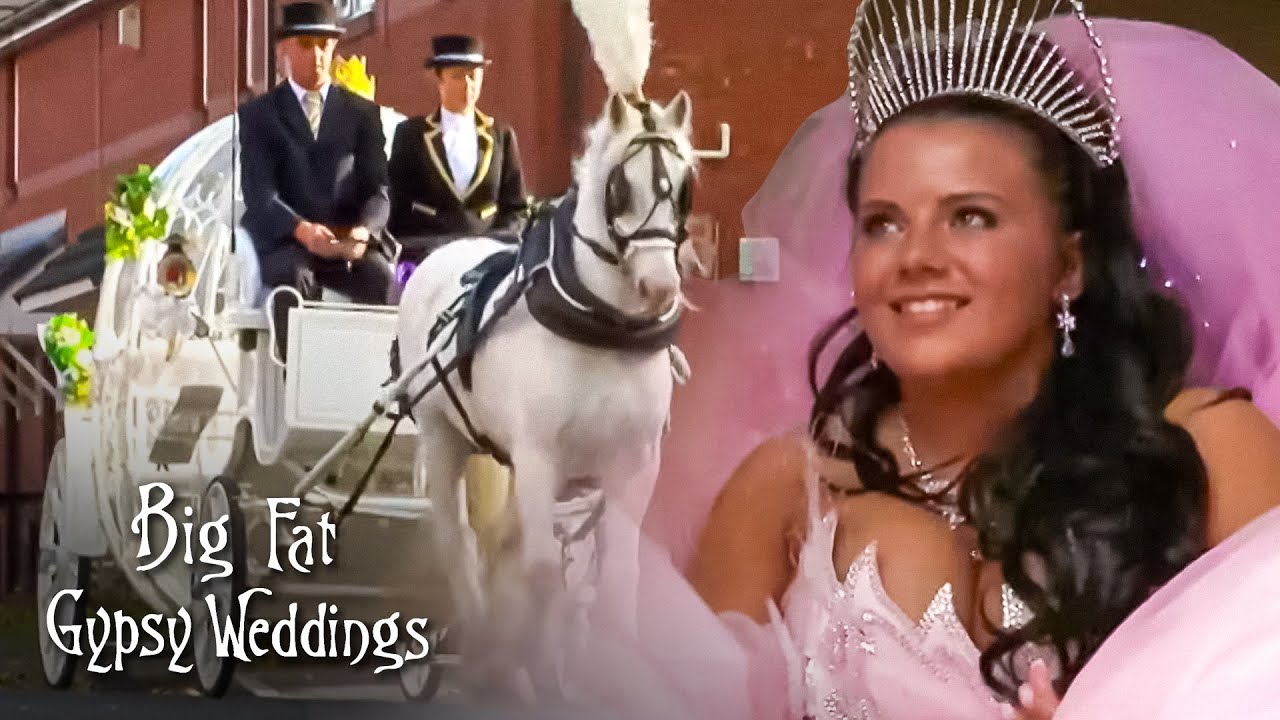
Big Fat Gypsy Holy Communions: Outrageous dresses and party of course!
Subscribe for more: https://bit.ly/41e9bmi
The official home of Gypsy Weddings!
Playlists:
👑My Big Fat Gypsy Wedding Season 1: https://bit.ly/4hXILL0
👑Gypsy Shorts: https://bit.ly/4hRzVOW

For decades, TLC (The Learning Channel) has made various reality shows that claim to show off the real life of the mysterious Romanichal community both in the UK and the U.S. They present it in a documentary style in an attempt to connect Romanichal history with the behaviors shown on those shows. However, these shows have little to no connection with actual Romanichal culture and involve staged events and non-Romanichal actors. Today we are going to talk to a real member of the community and learn the real American Romanichal culture that has been too long misrepresented and stereotyped by TLC.
Follow Alexus @Romanichalgal on TikTok and Instagram for more information on Romanichal culture!
Chapters:
0:00 Introduction
1:30 Who are the Romanichal?
1:53 Romanichal language
2:38 Romanichal vs. Travellers
3:07 American Romanichal History
4:13 English and American Romanichal
4:40 Deconstructing TLC
6:11 The TLC people aren’t Romani?
8:34 Romanichal values
9:00 Romanichal jewelry/superstitions
9:48 Traditional trades
11:02 Romanichal home
11:33 Romanichal religion/celebrations
12:40 Courting
14:34 The REAL weddings
15:04 The Vardo
15:13 Present-day issues
16:38 Conclusion
#gypsy #tlc #romany #culture #romani #MyBigFatAmericanGypsyWedding #culture #anthropology #india #history #historyfacts
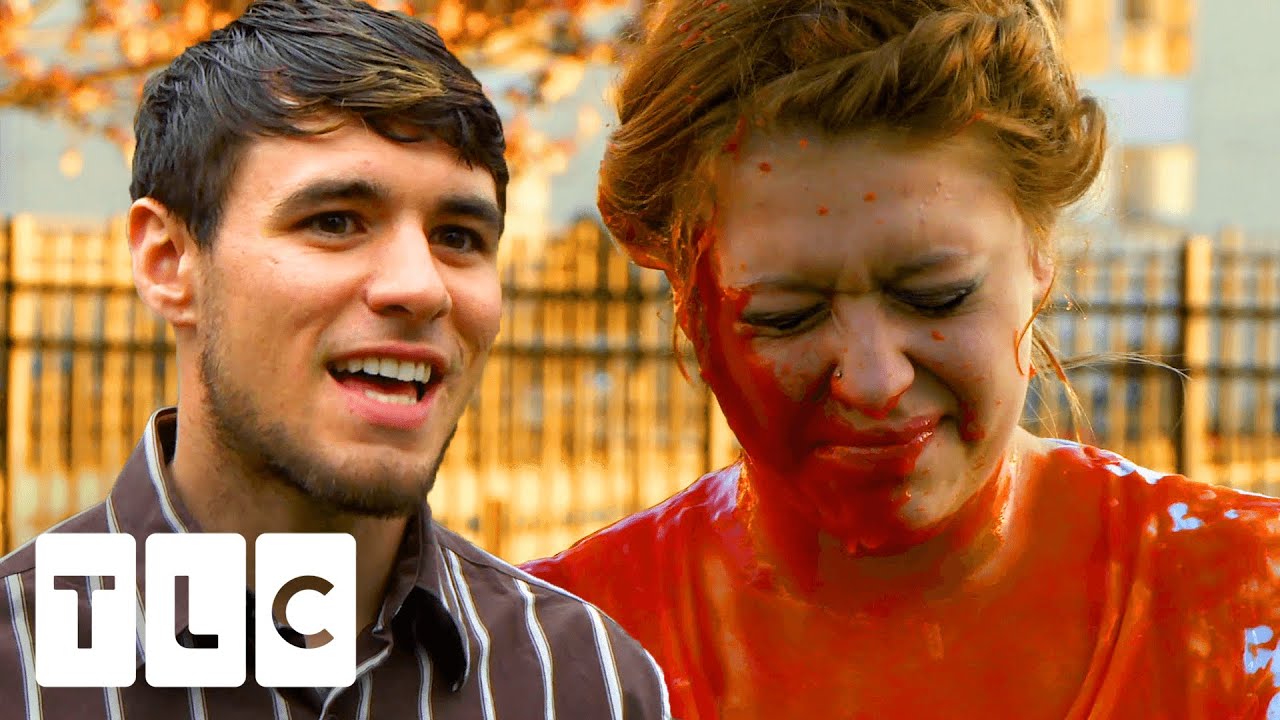
Sabrina partakes in an old gypsy tradition to prove she is a virgin and gain the acceptance she craves from her family in-law.
Subscribe to TLC UK for more great clips: https://www.youtube.com/c/TLCTVUK
Like TLC UK on Facebook: https://www.facebook.com/uktlc/
Follow TLC UK on Twitter: https://twitter.com/tlc_uk?lang=en
Visit our website: http://www.uk.tlc.com/
Check out my merch at ➡️https://theironicshop.com/
✉️ Join the Postcard Club ✉️ https://www.patreon.com/livingironicallyineurope
🎩Become a member and support the channel:🎩
https://www.youtube.com/channe....l/UC8SNsIS6XZ6WaEeEP
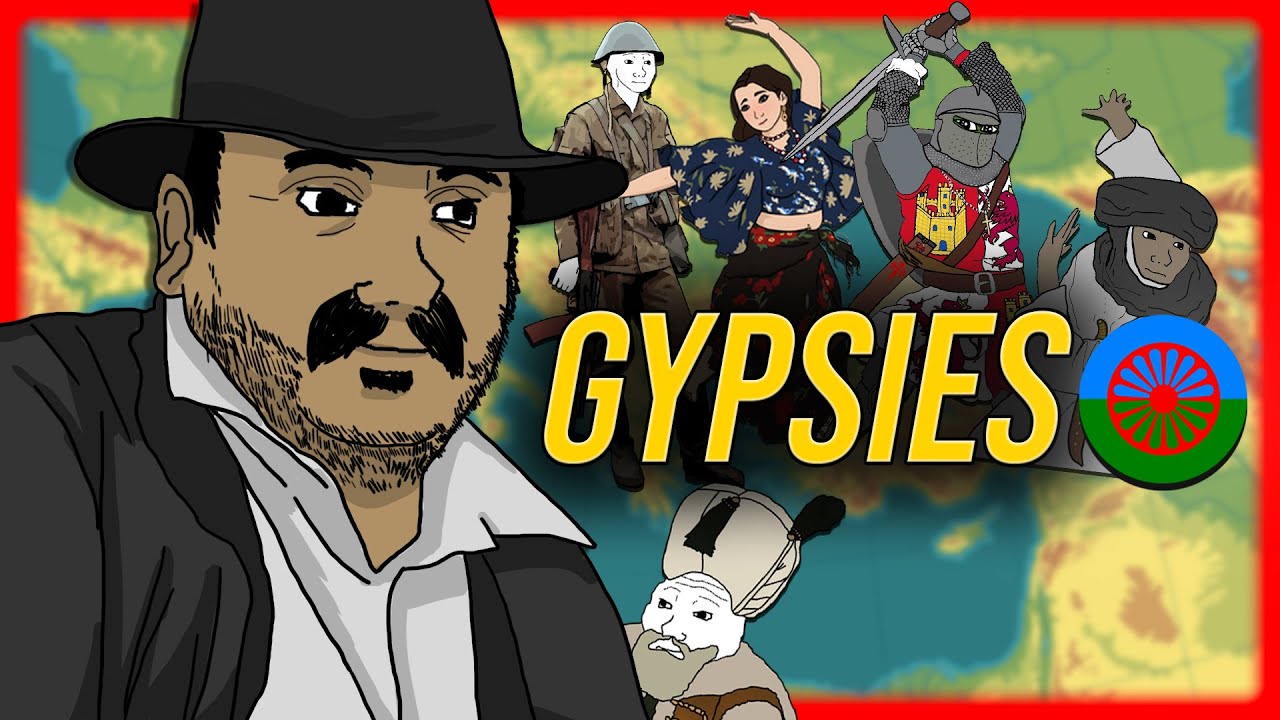
✏️Description: Known across the world by many names such as: "Gypsies", "Roma", "Romani", "Sinti", etc... ; the Gypsies played a crucial role in the development of the Balkans & the history of many of the countries that inhabit the region today such as: Serbia, Bulgaria, Romania, Hungary, Greece, Bosnia, Albania, Macedonia, and many others outside of the region. Yet, when talking about history, very rarely are the Roma mentioned or talked about. In this video we go over the origin of the Roma in India, their migration across the Silk Road and into the Balkans, their life in the Balkans & under the Ottoman Empire, the 20th century, their life under communism & finally modern times.
🔴Follow my Instagram: https://www.instagram.com/livi....ngironicallyineurope
🔴Join the Ironic Discord: https://discord.gg/gHhTSRUXxy
On the word "Gypsy":
"Gypsy" comes from the word "Egyptian", because prior to the late 18th century, Europeans & Gypsies themselves believed they came from Egypt. The word "Roma" means "man/person" in the Gypsy language, and prior to basically the 1950s the Gypsies didn't even think of themselves as a coherent group, but different clans and families.
If we're talking about the more colloquial word for Gypsies in Eastern Europe, "cigan, cigány, țigan", it comes from the Greek "antsigan" which means untouchable. However, outside of Greece, most didn't know the meaning of the word (surprise surprise medieval peasants were monolingual). Later in the 16th century due to Gypsies becoming the majority of the slave population in the Ottoman empire & the Balkans, the versions of "antsigan" became synonymous with slave. However, the words "Slav/Sclav" also meant slave as Ottomans had laws of considering non-Muslims their property.
In modern times the meaning of the word was lost, and many associated the negative qualities to the word because of association and negative context. The push for not using the word and using "Roma" is relatively new and came about in the 90s. However, within the Gypsy community in the Balkans there has been a counter movement against the use of the word "Roma". From a standpoint of several reasons.
1. Being the retaking of a word & meaning
2. In traditional Gypsy circles, it is not acceptable for foreigners aka "gadje" to speak Gypsy as it was kept a secret language from them due to oppression.
If you ask a Gypsy in the Balkans how they prefer to be called, the majority of the time they will say "Gypsy". I haven't really seen anyone but westerners and western raised Gypsies make a fuss over this word. Hell, I have a Gypsy aunt inlaw who is adamant on the term "Gypsy" over "Roma". If someone does ask me from the community to not refer that way, I will. But overall in both Serbia, Romania, and Hungary the term amongst the Gypsy population is not seen as a slur.
Many Romanians & Romanian gypsies actually are pushing against the use of the word "Roma" due to being too similar to "Romanian". From the Gypsy perspective the case being they don't want their cultural identity to be erased and taken as Romanians, while Romanians don't want to be mistaken for Gypsies (which is a whole other story in itself)
📖Sources:
⚫Fonseca Isabel - Bury Me Standing
⚫Hancock Ian - We Are The Romani People
🎶Outro Song🎶: https://youtu.be/VDDX2m_vd-g
🎶Explained Intro Song🎶: https://youtu.be/vafpeSvU0DA
CTC - Credit the creators
#romania #balkans #serbia
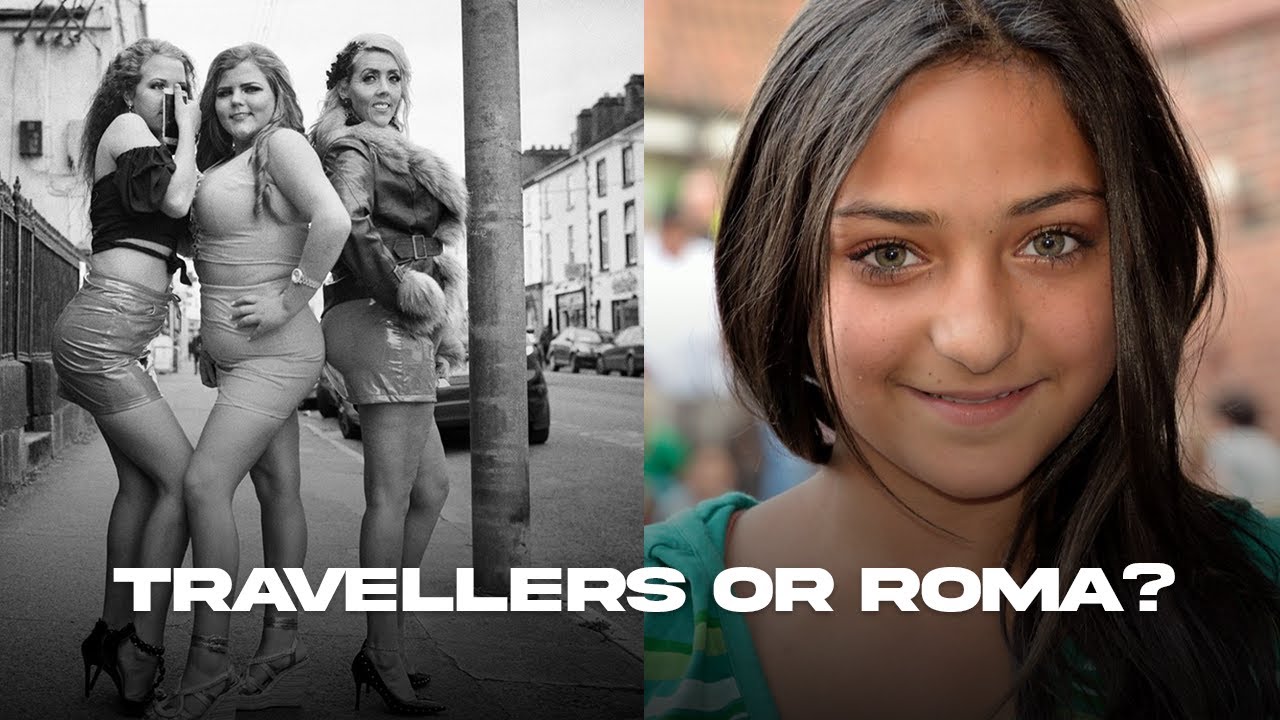
I make videos about Romani people on YouTube and I often get asked what's the difference between 'travellers' (Irish travellers, British travellers) and 'Romani' people. They are all nomadic tribes and can be very confusing so I asked a Roma from the UK to explain the difference to me.
Music- OYYNF4X51J9RKVEL
#travellers #romani #nomad
Subscribe for more: https://bit.ly/41e9bmi
The official home of Gypsy Weddings!
Playlists
👑My Big Fat Gypsy Wedding Season 1: https://bit.ly/4hXILL0
👑Gypsy Shorts: https://bit.ly/4hRzVOW

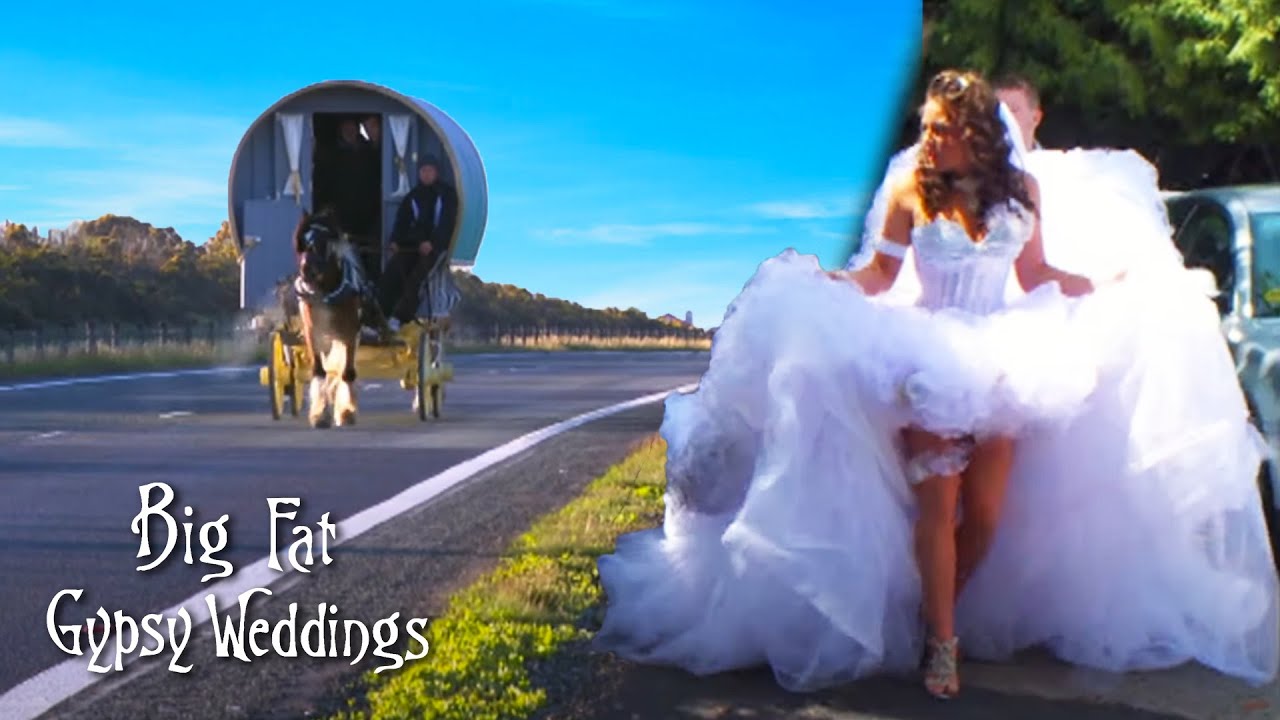
Priscilla, a 14-year-old from a traditional gypsy family, is ready for marriage. With a lavish Sondra Celli dress purchased and a Halloween party planned, her family hopes to find her the perfect husband.
From My Big Fat American Gypsy Wedding Season 1, Episode 2: “14 and Looking for Mr. Right”
#MyBigFatAmericanGypsyWedding #TLC
Stream Full Episodes of My Big Fat American Gypsy Wedding: https://www.discoveryplus.com/....show/my-big-fat-amer
Subscribe to TLC:
http://bit.ly/SubscribeTLC
About TLC: Offering remarkable real-life stories without judgement, TLC shares everyday heart, humor, hope and human connection with programming genres that include fascinating families, heartwarming transformations and life’s milestone moments.
Visit TLC: https://www.tlc.com/
Watch Full Episodes on the Go: https://go.tlc.com/
Watch More TLC: https://www.discoveryplus.com/
Find us on social:
Facebook: https://www.facebook.com/TLC
Twitter: https://twitter.com/TLC
Instagram: https://www.instagram.com/TLC
TikTok: https://www.tiktok.com/@tlctv
14-Year-Old Gypsy Seeks a Husband | My Big Fat American Gypsy Wedding | TLC
https://youtu.be/w8fkDtchDY8

Subscribe for more: https://bit.ly/41e9bmi
The official home of Gypsy Weddings!
Playlists
👑My Big Fat Gypsy Wedding Season 1: https://bit.ly/4hXILL0
👑Gypsy Shorts: https://bit.ly/4hRzVOW

Who are the Gypsies, the Roma people, and where did they come from?
This full-length documentary explores the true history of the Roma people, from their Indian origins between 500 –1000 CE, to their migration into Europe, centuries of slavery in Wallachia and Moldavia, persecution under the Byzantine and Ottoman Empires, and the genocide of the Roma during the Holocaust (Porajmos).
Discover how people labeled outsiders for centuries carried their traditions, language, and music across continents, shaping cultures while enduring discrimination and exile.
We trace the rise, survival, and resilience of the Roma people, exposing myths about their Egyptian origin, uncovering the truth about their migration routes, and honoring their cultural legacy.
If you want to understand the real story of the Gypsies (Roma) , their struggles, their survival, and their lasting contributions to world history this documentary will take you there.
#gypsies #historydocumentary #historyfacts

The Gypsies or Romani are a nomadic ethnic group that roams the world, living in tents, speaking their own language, and maintaining their unique culture and traditions. In this short documentary, I want to talk about this ethnic group, their origins, history, culture, language, genetics, folklore, and much more.
Subscribe for more! https://bit.ly/3ManoGP
Click here for more Gypsy Weddings: https://bit.ly/3w4EFvt
Thelma's Girls: https://bit.ly/3sx7DlM
Unusual Weddings: https://bit.ly/3sv00w2
Marriage Advice: https://bit.ly/3M9J6Li
Content licensed from Firecracker Films. For any enquiries, please contact us at info@passiondistribution.com

Weddings at 12, funerals with a PlayStation in the coffin, golden gates bigger than a neighbor’s, and ghettos with no water or electricity. This is the story of the Roma - a people without a country, chased and feared for centuries. In this video, we dive into their shocking traditions, life in both palaces and slums, the truth about weddings, funerals, barons, fortune-tellers, and ghettos. Who are they really: a problem, a mystery, or a mirror of society?
00:00 - Intro: Why Everyone Talks About the Roma
01:26 - Who Are the Roma? From India to Byzantium
02:47 - Medieval Europe: From Exotic Wanderers to Outcasts
06:01 - Roma in the USSR: From Camps to Collective Farms
08:29 - Life and Rules Inside the Community. Roma Mafia, Survival Schemes, and Court Injustice
12:08 - Fortune Tellers: The Real “Local Google”
12:51 - Weddings at 12, Child Brides, and Family Honor
14:39 - Funerals Bigger Than Weddings: Status Even After Death
16:14 - Cities of Gold: Roma Versailles in Soroca and the Millionaire Street of Buzescu
19:00 - Roma Ghettos in Europe: Life in Lunik 9
20:03 - Conclusion: Who Are the Roma?
The voice is from ElevenLabs . Trust me, it’s easier to listen than my actual accent.

GYA ✨ SUBSCRIBE: https://tinyurl.com/GYA-YTsubscribe
Management : gyamanagementcontact@yahoo.com
Booking / Concerte: +40 790 953 450
Follow GYA:
Instagram: https://www.instagram.com/gyamusic
TikTok: https://www.tiktok.com/@gyagya
Spotify: https://open.spotify.com/artis....t/17JCMZusNXS0iOLaFo
Follow Valentino:
Instagram: https://www.instagram.com/valentinoosm
TikTok: https://www.tiktok.com/@valentinoosm
Spotify: https://open.spotify.com/artis....t/4W2FTQIyODWPIzUtOl
Producție: Valentino Osmani
Muzica: Kristian Kiki, Valentino Osmani, Gya
Text: Kristijan Kiki, Valentino Osmani, Gya
Regie / Montaj - Bohan
Productie: Field Media
Toate drepturile sunt rezervate. Orice upload neautorizat al acestui videoclip este ilegal și poate fi raportat oricând la Youtube.
#gya

İŞTE SAFRANBOLU GÜMÜŞ KÜRTMAHALESİ NİN TARİHİ
Şeyhbızın Aşireti büyük bir aşirettir Temel ikametgahları Irak'ın Kerkük bölgesidir düğün eğlence.
Yavuz Sultan Selim Han Bağdat seferi sırasında ordusunu bir müddet Kerkük'te bekletmiştir
Murathanoğlu (Şeyhbızıni) Aşiretinin Yavuz Sultan Selim Han'a gösterdikleri sadakat ve yakınlık Han'ın
çok hoşuna gitmiştir. Bunun üzerine Sultan Selim aşiretin ileri gelenleri ile istişare ederek,
aşiretin burada kalmasını istemediğini söyleyerek, aşireti Anadolu'ya davet etmiştir.
Sultan Selim'in dindar çalışkan ve kendisine sadık olan aşireti daveti, aşiret tarafından kabul edilmiş
ve Murathanoğlu aşiretinden 450 hane Anadolu'ya göç etmiştir.
19 y sonuna kadar hakkari civarında bulunan Şeyhbızınnlar, daha sonra çeşitli bölegelere dağılmışlardır
(Hakkari, Van, Muş, Erzurum, Ankara-Haymana, SinopBoyabat,karabük safranbolu Amasya Samsun Adapazarı, Ağrı ve Malatya )
yalnız şuna dikkat etmemiz gerekmektedir, Şeyhbızınların dağıldığı bölgeler
Ermeniler 'in eskiden yaşadıkları topraklardır. Buralara yerleşimleri ise tarihteki Ermeni olaylarınd zafer
kazandıkları.bölkelerde kısım kısım osmanlı dagıtmıştır bilinçli olarak dağıtıldılar! toplu halde olmalılar büyük bir tehlike olarak görülmüş
Savaşcı özellikleriylen bilinen aşiretve bunu kanıtlayan cok ceşit osmanlı fermanı vardır
örneğin Ankara 'nın Haymana ilçesinin ismi Ermenice'den geldiği gibi
merkeze yakın köylerde eskiden Ermenilerin yaşadığı bilinmektedir.
tehlikesiz ve zararsiz hale getirilmiş bir nevi
Şexbızınlar'ın dili Hewramani ve Soranice'ye çok yakın bir dil olduğundan
kurmanca lehçesini konuşmakta güçlük çekerler
tabi ki çevre değişimi sonucunda, bu dilde de bazı gerilemeler olmuştur.
savaştaki zeka ve cesaretleri o kadar fazladır ki
ırak'ta kalan kesimi Şex Mahmut Berzenci nin ordusunda önemli roler üstlenmişlerdir.
günümüzde de mesut Barzani’ye bağlı peşmergeler arasında yüksek rütbelerde görev yapmaktadırlar.
dil olarak Hewramani (gorani), Sorani, Leki ve Dımili lehçelerine çok yakın bir konuşmaları vardır ki bu da
merkezi ve bölgede üstünlük sağlayan bir toplum olduklarının göstergesidir.
Aşiretin yaşadigi yerler
Ankara-Haymana
Ankara-Polatlı
Konya-Kulu
Çorum-Merkez
Çorum-Laçin
Çorum-Kargı
Çorum-Osmancık
Düzce-Merkez
Adapazarı-Akyazı
Amasya-Suluova
Amasya-Merzifon
Erzurum-Merkez
Erzurum-Narman
Erzurum-Oltu
Erzurum-Tortum
Karabük-Safranbolu
Karabük-Cumayanı
Sinop-Boyabat
Kastamonu-Araç
Tokat-Turhal
Yozgat Sorgun
Yozgat Saraykent
Yozgat Cekerek
Samsun-Bafra
Samsun-Havza
Van-Erciş
Şanlıurfa-Siverek
Bayburt
Iğdır-Aralık
Adıyaman/Kahta
Diyarbakır
Erzincan
Güney ve Dogu Kürdistandaki yaşadıkları yerler
Heneqin,Kerkûk,Xorasan,Raqqa Kirmansah,Beyzan. Israil
Yukarda,gördüğünüz gibi dağinik bir şekildeler.böylesi dağınık durumunda olan aşiret kendi inisiyetiflerinin dışında
bilinçli olarak dağıtıldılar! toplu halde olmalılar büyük bir tehlike olarak görülmüş
Savaşcı özellikleriylen bilinen aşiret tehlikesiz ve zararsiz hale getirilmiş bir nevi.!
Şeyhbızıni aşiret'in konuştuğu lehçeyede Şeyhbızıni lehçesi denilir
(konuştukları lehçenin eski Kürtçe olduguda soylenir) zaten Kürtçe çok zengin bir dil
Bazı aşiretlerde eski Kürtçe kelimeler hala korunmuştur Şeyhbızın aşiretinde bu zenginlik günümüze kadar
muhavaza edilmiştir.Konuştuklari lehçe Güney ve Doğu Kürdistandaki lehçelere yakinlik göstermektedir
Aşiretin diger özellikleride başlica şunlardir
Cok zeki ve savaşçi ruhlular; Osmanlı arşivlerinde ve bazi yabanci araştırmacıların kaynaklarına göre
"kendi yapımları olan tufekler geçer" Martini tüfeğine benzer mukemmel bir çeşit Martini tüğfeğini kendileri yapıyorlarmiş
Dikkat Çekici bir başka özellikleri ise kendileriylen cok rahat dalga geçebilen espiri anlayışları cok geniş,
şakacıdırlar.Ayrıca aşirette çokca sarışın ve renkli gözlü insanlara rastlanır.
Osmanlı döneminde vergi ödemeyi kabul etmediklerinden dolayı, baskılar sonucunda yönetime karşıi direnmeyi seçmişler
osmanlı onlarla anlaşmaya gecmek zorunda kalmıs.Aşiretin elinde
üç adet "ferman" bulunmakta.(1170/1756)tarihli(1194/1780)tarihli(1231/1815) üç tarihte degişik zamanlarda
Osmanlı ile yapmış oldukları anlaşma geregi vergi alınmıyacak diye belgeler verilmiş.
fermanların orjinali (Dünden Bugüne yenice Şeyhbızın nlar kitabında)
Şeyhbızınlı aşiret'inden bazı tanınmış simalar.
Bülent ULUSU( eski Başbakan)
Avni AKYOL(eski milli eğitim,bakanı)
Bedrettin DALAN( politikacı)
Prof.Dr.Ohan CEKER(eğitim uyesi)
Selahattin DUMAN(gazeteci yazar)
Ahmet TURGUT(Kürt AHMET iş adamı..)
Orhan SAKARYA (politikacı)Hatice Yaşar( siyasetci)
Dr.Derviş TANSU(eski altındağ belediye başkanı)
Galip KORKMAZ( boksör,bir türkiye şampiyonluğu 7 ankara sampiyonluğu onlarca derecesi bulunmakta)
Mustafa TEKiN( güreş,birçok kez ankara birinciligi ve dünya yıldızlar şampiyonasında,dünya şampiyonu)
gökhan kandemir sanatcı
Yukardaki isimler aşiretten taninan sadece bazilari
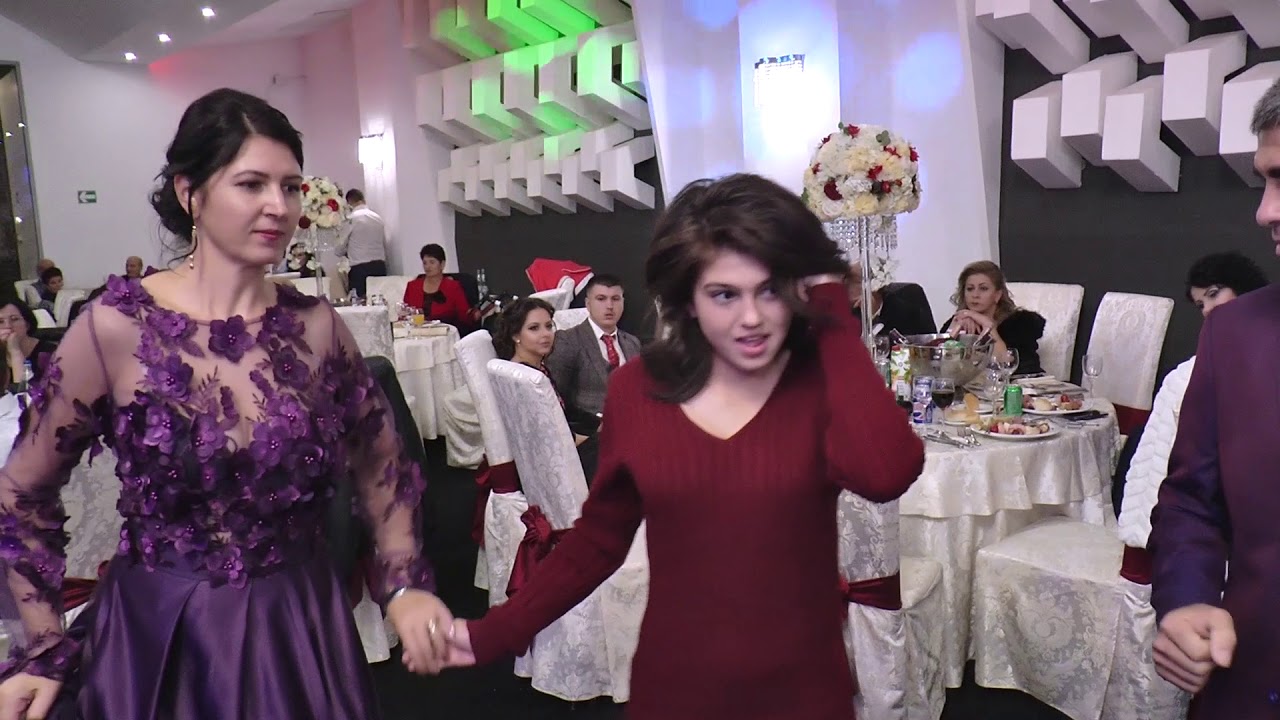
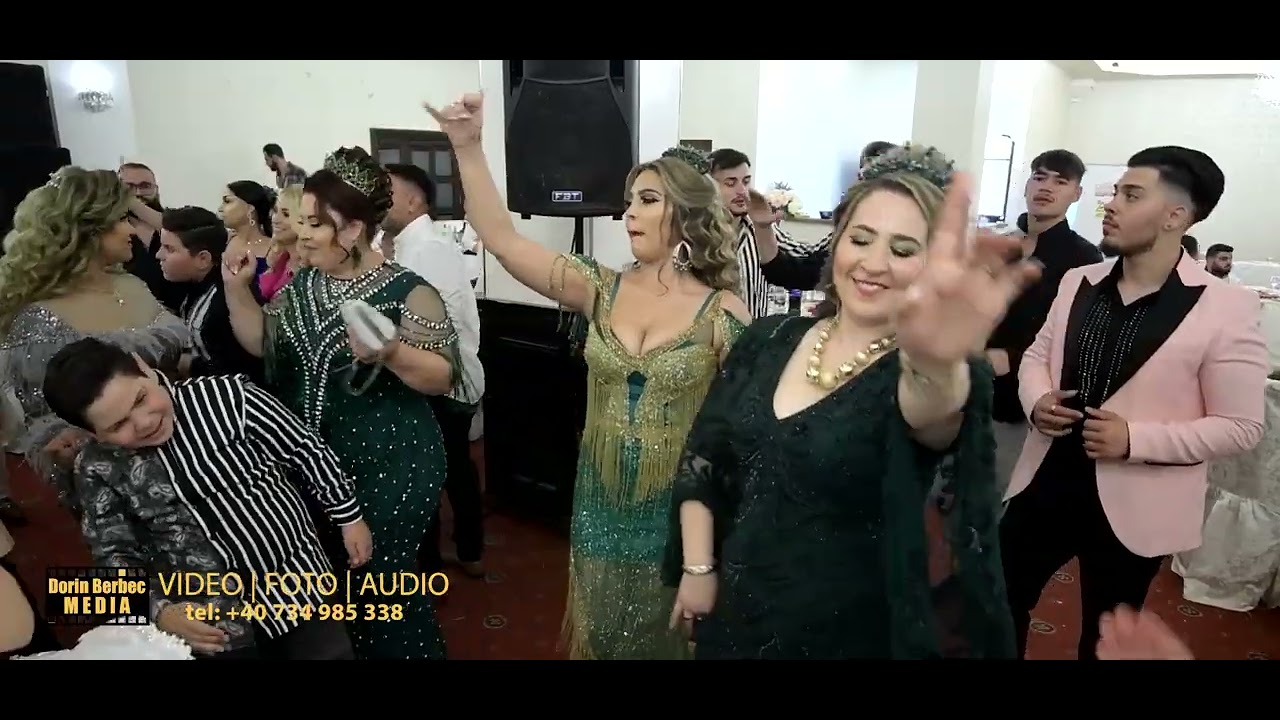
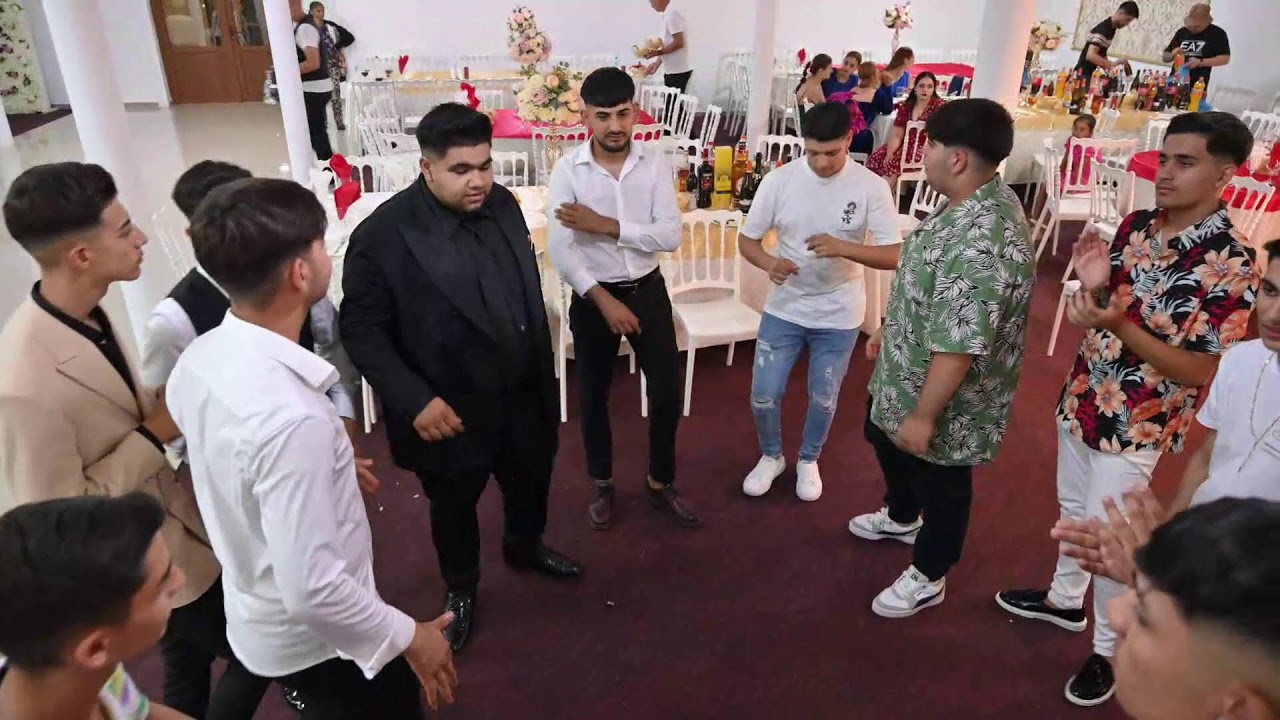
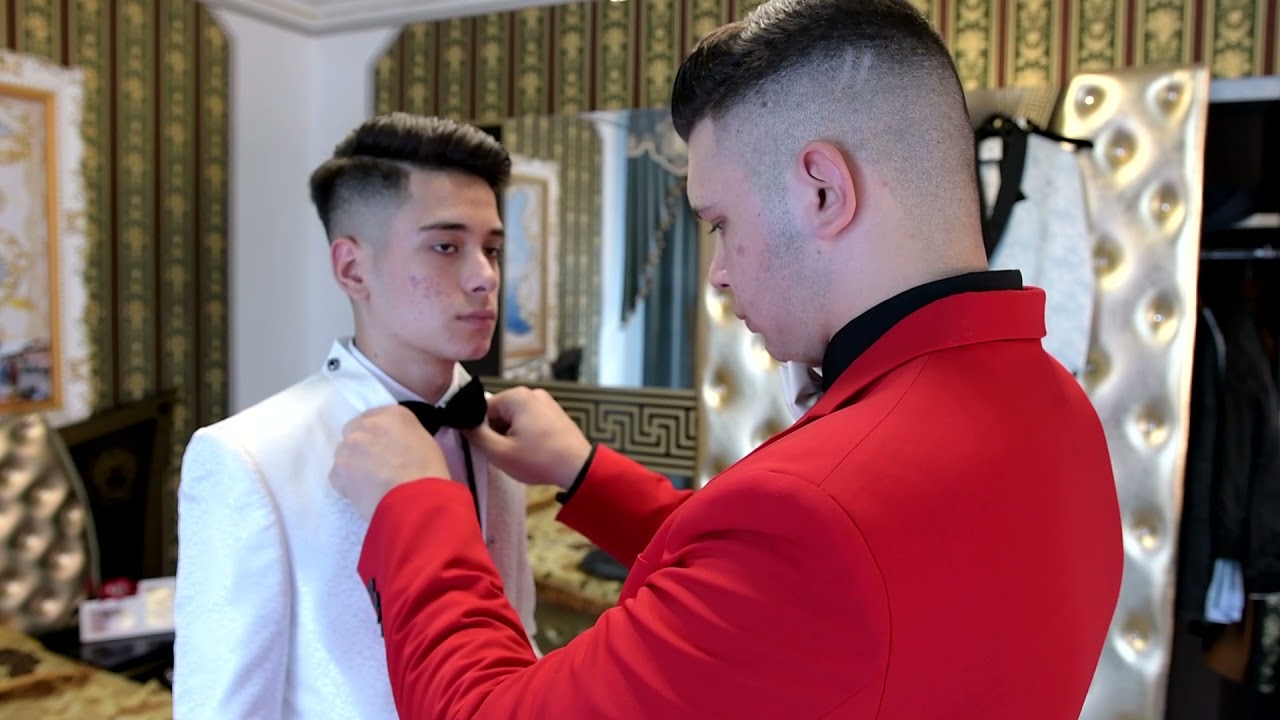
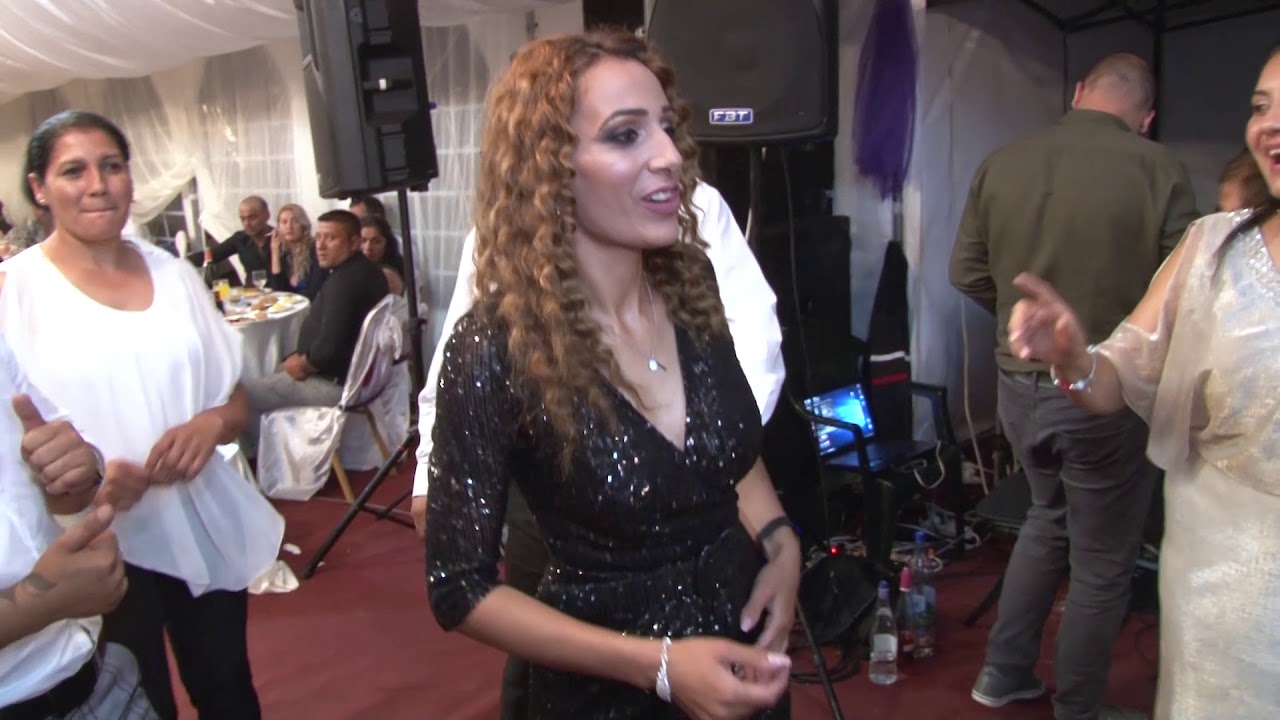
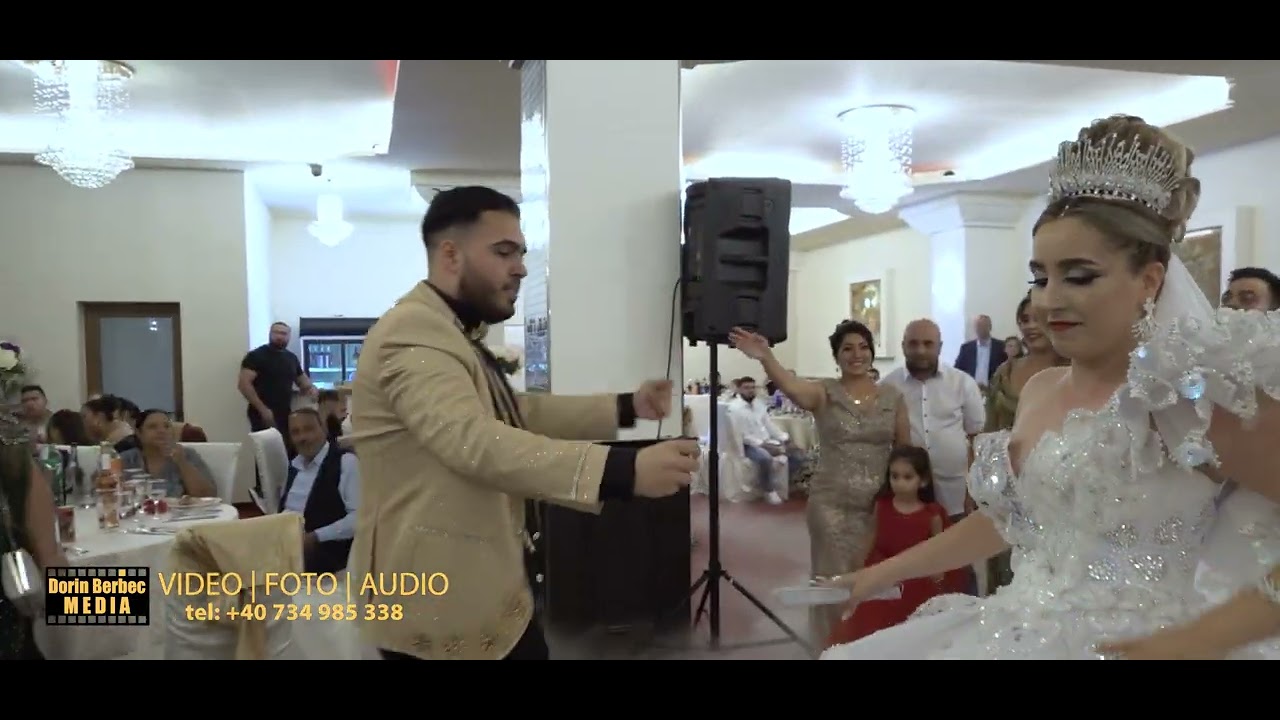
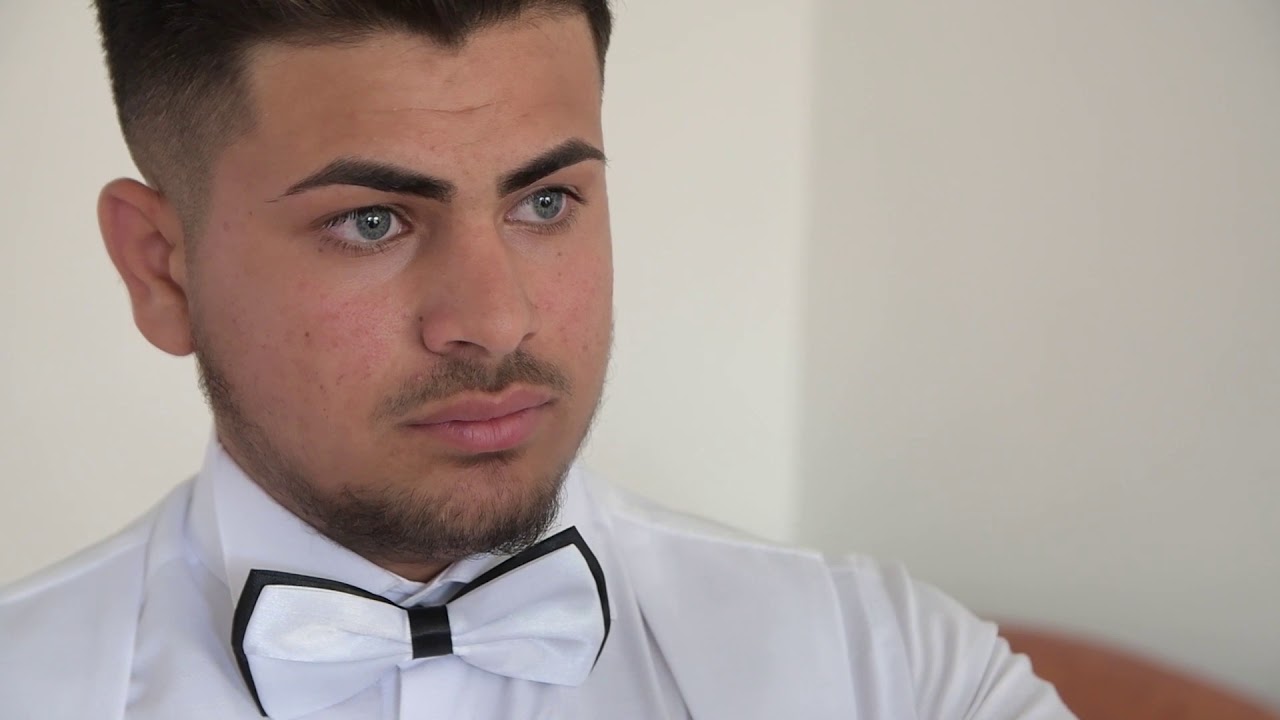
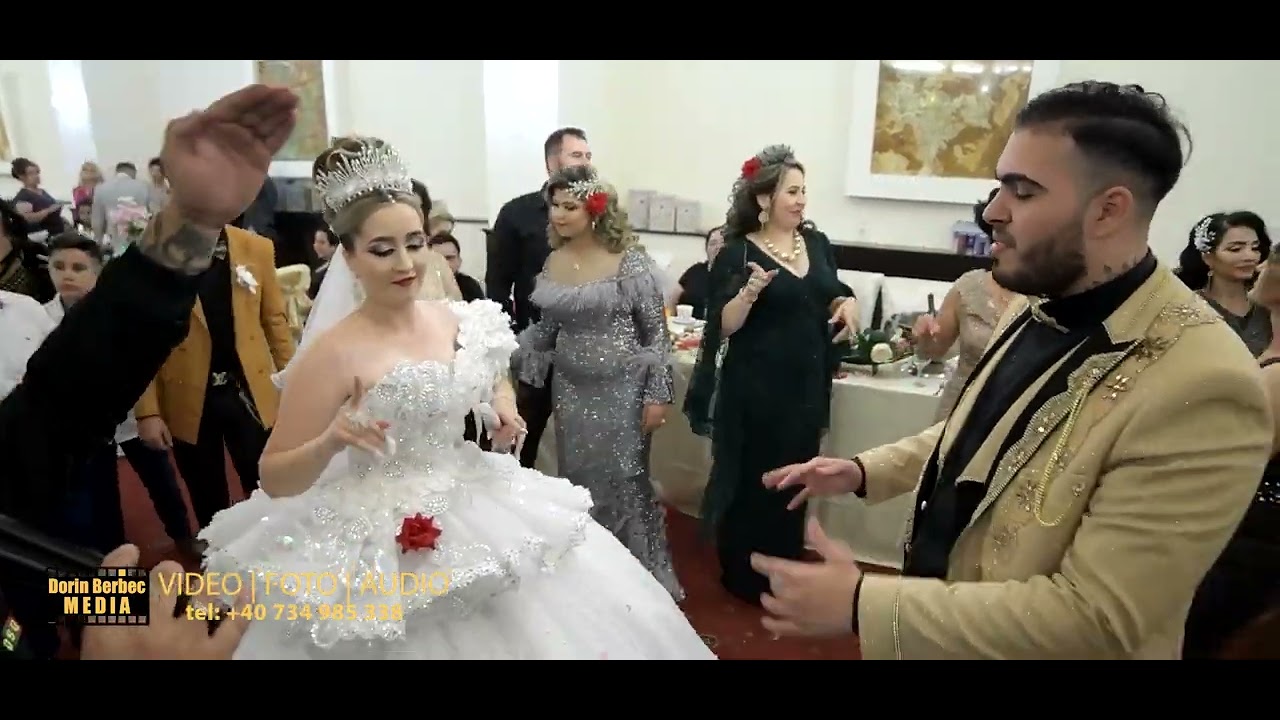
EĞLENCELİ BİR OTELDE DÜĞÜN
wedding dance
roman havası
girls dance
great dance fun turkey safranbolu
Dorin Berbec M E D I A
VIDEO | FOTO | AUDIO
tel: +40 734 985 338


Dorin Berbec M E D I A
VIDEO | FOTO | AUDIO
Tel: +40 734 985 338

Dorin Berbec M E D I A
VIDEO | FOTO | AUDIO
tel: +40 734 985 338

Dorin Berbec M E D I A
VIDEO | FOTO | AUDIO
tel: +40 734 985 338



Dorin Berbec M E D I A
VIDEO | FOTO | AUDIO
Tel: +40 734 985 338



Dorin Berbec M E D I A
VIDEO | FOTO | AUDIO
tel: +40 734 985 338


Dorin Berbec M E D I A
VIDEO | FOTO | AUDIO
tel: +40 734 985 338

Dorin Berbec M E D I A
VIDEO | FOTO | AUDIO
Tel: +40 734 985 338

Dorin Berbec M E D I A
VIDEO | FOTO | AUDIO
Tel: +40 734 985 338

Dorin Berbec M E D I A
VIDEO | FOTO | AUDIO
Tel: +40 734 985 338



 English
 Dutch
Dutch French
 German
 Russian
 Spanish
 Turkish
 Croatian
 Italian
 Swedish
 Danish
 Greek
Greek Albanian
 Romanian
 Bulgarian