Top videos

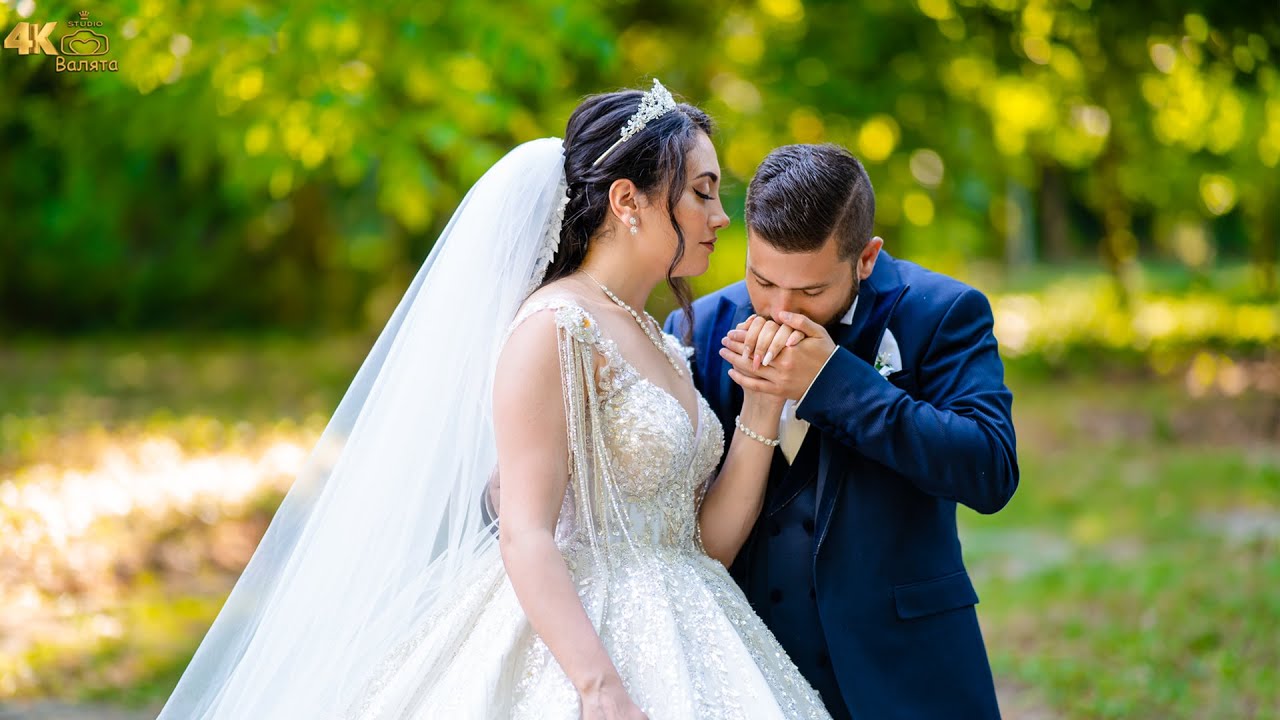
Фото и Видео Студио Валята
тел : +359895773390

Фото и Видео Студио Валята
GSM:0895773390
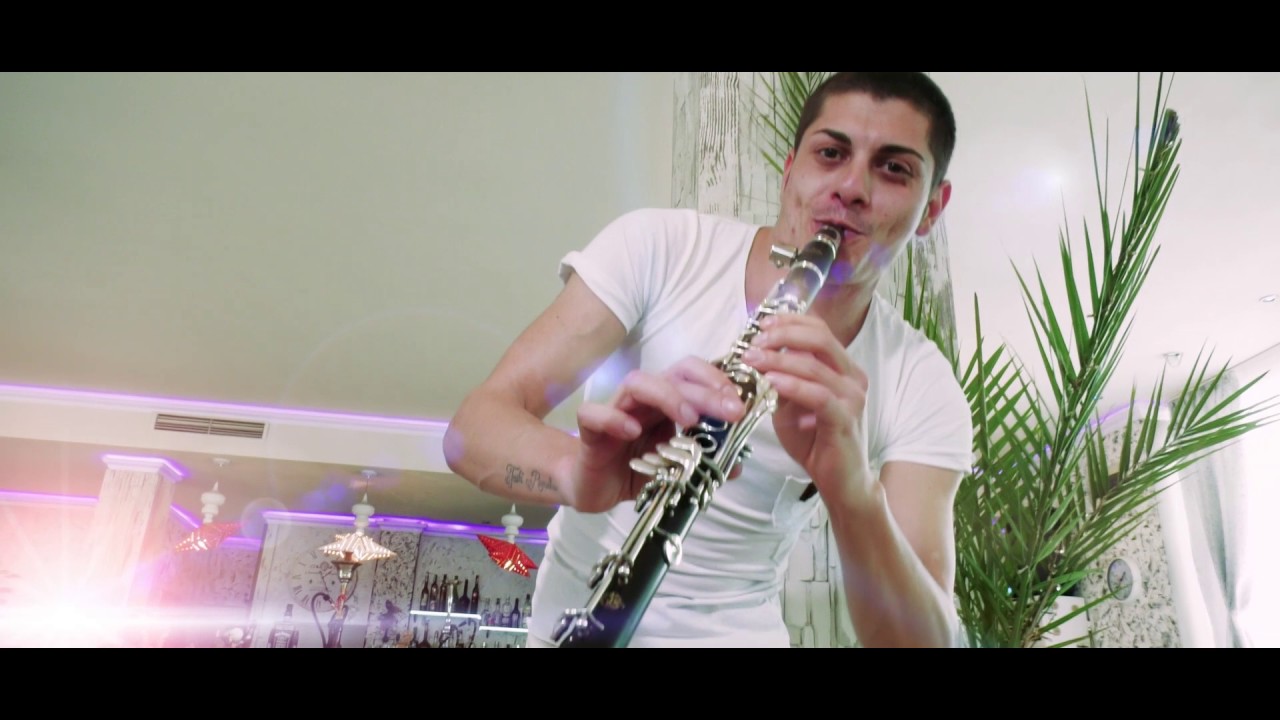
Тел. за контакти с Тоши Памуков : 0886573240
Фото и Видео Студио Валята - GSM: 0895773390
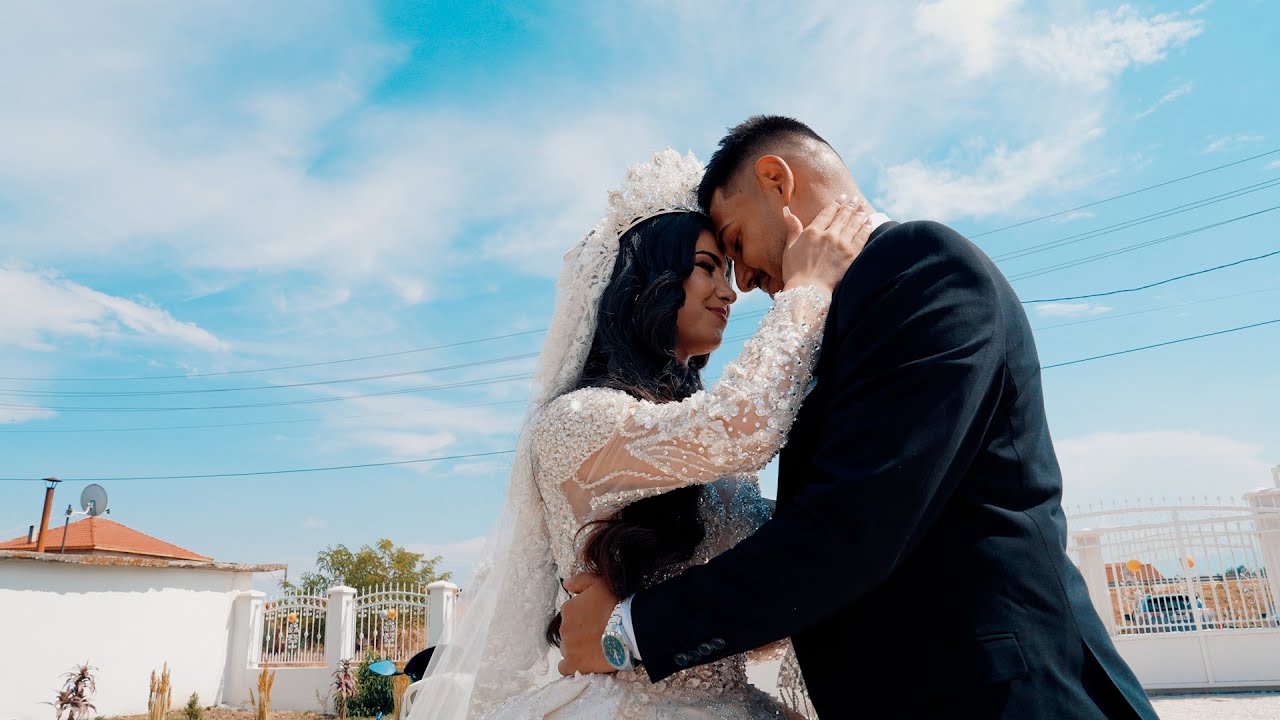
Студио Валята
тел: 0895773390
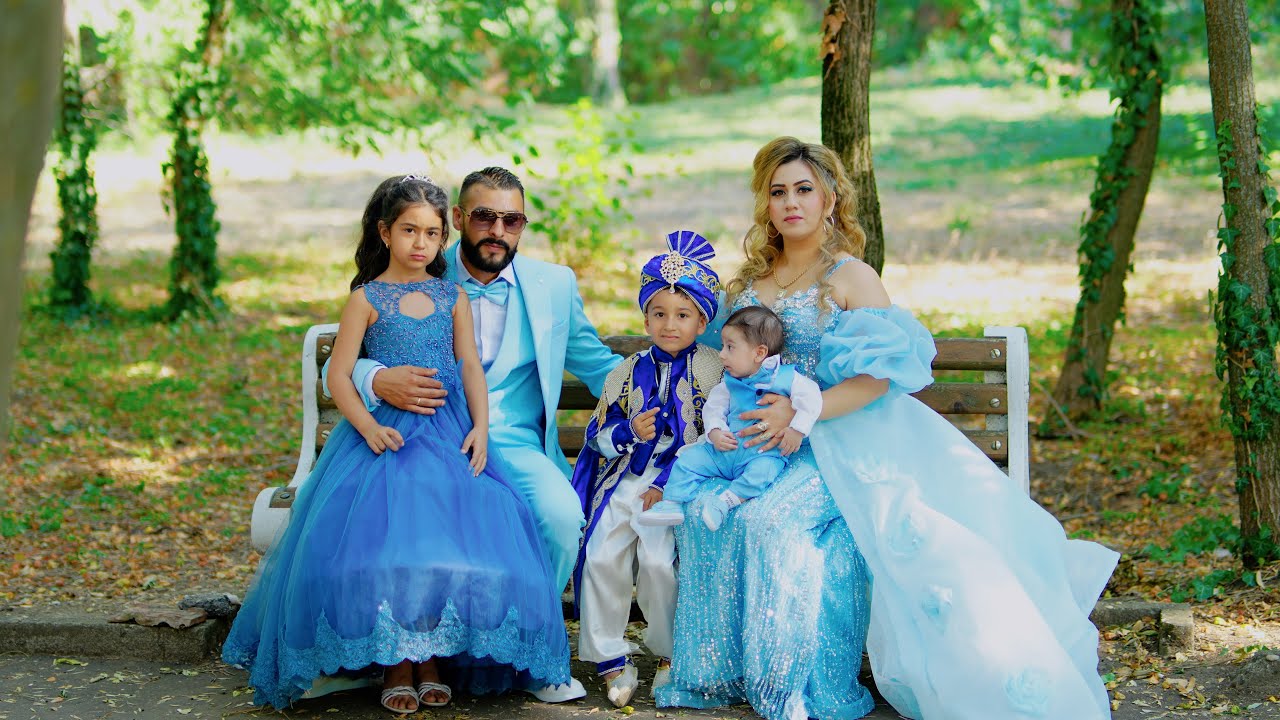

Орк. Кънтри- тел: 0897/75/28/76
Ръководител-Кирил Памуков
Клипът е осъществен благодарение на финансовата подкрепа на "Дани Фараона" Специални благодарности към Комплекс "ВИОНАС" -гр. Пазарджик -http://www.hotel-vionas.com/
Фото и Видео Студио Валята
тел: 0895773390

Фото и Видео Студио Валята
тел: 0895773390


Dorin Berbec M E D I A
VIDEO | FOTO | AUDIO
tel: +40 734 985 338

The Romani (colloquially known as the "Gypsies") are a community of European itinerants with surprising origins in northwest India. In this video, we explore the fascinating histories of two distinct Romani groups: the Roma and the Sinti. From surviving Turkic and Arab invasions, to navigating the complex social worlds of unfamiliar lands in the Middle East and Europe, this is the tale of migrant peoples who made a life for themselves despite extraordinary circumstances.
Get our branded merchandise at the Odd Compass Shopify store:
https://oddcompass.myshopify.com/?utm_source=yt&utm_medium=videodescr&utm_content=romani
Or at the Odd Compass YouTube Store: https://www.youtube.com/channe....l/UCpZYcHFVksxNCwrUK

Who are the Ursari of Romania and Moldova?
This ethnic group of Roma is known as Ursari, Richinara or Mechkari.
All three names are related to their professional occupation - training and performing with bears. “Urs” is Latin for bear, “rich” comes from Sanskrit “rkša”, and Bulgarian “мечка”.
The Ursari of Romania and Moldova are representatives of the Balkan group of Romani dialects, which distinguishes their language from other groups of Roma in these territories, who speak mainly Vlach Romani dialects.
It is believed that during the Ottoman Empire, Ursari were part of the Ottoman army. They made and repaired weapons, worked with copper metal products. And their second occupation was training and performing with bears to entertain the public.
They are also known to perform with monkeys, That's how they got another name Maymunari. Maimuna is a Serbo-Croatian word.
#proromani #rromani #gypsy #ursari
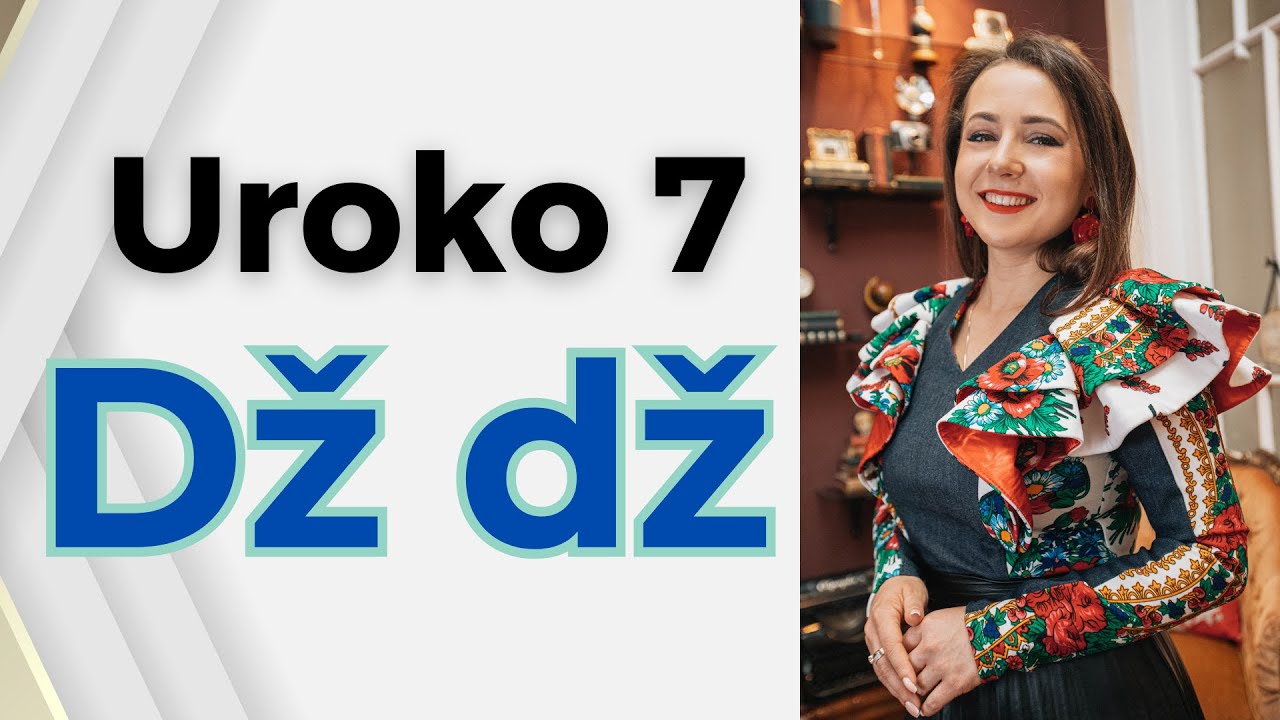
Rromano alfabeto
Lesson 7
Letter (digraph) Dž dž
In this video we learn letter Dž from the Romani alphabet, learn how to read syllables formed from the letter dž and vowels and consider some words as the examples where these letters we use.
0:00 Introduction
0:13 Litera Dž dž
0:20 Syllables start with Dž + vowel
1:14 Read the words
Download the MOBILE APP:
App Store https://apps.apple.com/ua/app/....rromano-alfabeto/id6
Google Play https://play.google.com/store/apps/details?id=com.AnastasiiaKoval.Rromanoalfabeto&pcampaignid=web_share
Download the WORKBOOK https://drive.google.com/file/....d/1CFyodXiTiXOAtJ6WV
More about the project “Rromano alfabeto” https://rromanoabc.minisite.ai/
Instagram https://www.instagram.com/pro.romani/
Facebook https://www.facebook.com/pro.romani.at/
The project is implemented within the scope of Vidnova Fellowship


“Conversations with Romani linguists” is a series of interviews where we talk to linguists working on the Romani language.
Here we find out how they became interested in specialized research on the Romani language, what challenges they faced on their professional path, and what fascinating stories and discoveries they had working on the Romani language.
Anna-Maria Sonnemann is a Ph.D., Romani language specialist, Former Associate Professor of Slavic Studies at Universities of Hamburg and Cologne, Germany.
Link to get Anna-Maria Sonnemann’s book “Language Families in Contact. The Mutual Impact of Slavic and Romani”:
https://www.degruyter.com/docu....ment/doi/10.1515/978
Personal website of Yaron Matras:
https://yaronmatras.org/
Anastasiia Tambovtseva-Koval
Instagram:
https://www.instagram.com/ankovalia/
https://www.instagram.com/pro.romani/
Facebook https://www.facebook.com/pro.romani.at/
TikTok https://www.tiktok.com/@pro.romani/
0:00 Intro
1:35 Childhood Experiences and Language Interests
- growing up in Northern Bavaria
- developing the interest in Slavic languages
- traveling to Serbia
- studying Slavic constructed languages for PhD
- the dream jobs as a child
- family and friends’ support and open-mindedness
- first encounter with the Romani language
- interest in Romani music
- learning Romani
- one interesting fact about Slavic languages
13:20 Slavic Influence on Romani Dialects
- the differences between Slavic languages and Romani dialects
- comparison of the closeness of the Slavic languages and the varieties of Romani
- the influence of Slavic languages on Romani, particularly in phonetics, phonology, and lexicon
- the areas where Slavic languages have influenced Romani
- Romani dialects in contact with Slavic languages
32:00 Romani Words in Colloquial Languages
- the widespread influence of Romani words in various languages
- the historical context of these words and their usage
- the research on the grammaticalized Slavic aspect in Romani varieties
- the importance of details in linguistics research
39:56 Slavic Influence on Romani Dialects
- the influence of Slavic languages on Romani dialects, particularly in terms of writing systems and orthography
- the constructed languages
- the parallels between the attempts to standardize Slavic languages and Romani
- the role of the internet in spreading information and potentially influencing language use
57:26 Closing question
- discussion how working with the Romani language has enriched the life

“Conversations with Romani linguists” is a series of interviews where we talk to linguists working on the Romani language.
Here we find out how they became interested in specialized research on the Romani language, what challenges they faced on their professional path, and what fascinating stories and discoveries they had working on the Romani language.
Svetlana Ćirković is a Ph.D., Romani language specialist, senior research associate at the Institute for Balkan Studies in Belgrade, Serbia.
About Svetlana Ćirković:
Link to the official website of the Institute for Balkan Studies:
https://www.balkaninstitut.com..../eng/project-members
Link to the official website of the project in which Svetlana is engaged:
https://vlings.rs/team/researchers/
Links for academia.edu and research gate, where Svetlana posts her papers:
https://balkaninstitut.academi....a.edu/SvetlanaCirkov
https://www.researchgate.net/p....rofile/Svetlana-Cirk
Links to RomLex and to the Database of Romani dialects:
http://romani.uni-graz.at/romlex/
https://romani.dch.phil-fak.uni-koeln.de/
Personal website of Yaron Matras:
https://yaronmatras.org/
Anastasiia Tambovtseva-Koval
Instagram:
https://www.instagram.com/ankovalia/
https://www.instagram.com/pro.romani/
Facebook https://www.facebook.com/pro.romani.at/
TikTok https://www.tiktok.com/@pro.romani/
0:00 intro
1:50 background
03:21 language proficiency
06:00 studying Serbian at university
8:54 first encounter with Romani
15:50 environmental and family support
18:06 enrolling the Romani course
20:00 continue researching work
21:07 challenges
27:20 RomLex
29:49 academic research of ethnic minority in Serbia
38:15 Rade Uhlik
42:53 field work & recordings
49:30 Gurbet Romani
57:00 Board of Romani studies in Serbia
1:01:10 lack of students for Romani course
1:04:08 Romani linguistic landscape
1:12:37 major discovery
1:13:44 future plans

Rromano alfabeto
Lesson 13
Letter Kh kh (Vlach dialect)
In this video we learn letter Kh from the Romani alphabet, learn how to read syllables formed from the letter kh and vowels and consider some words from some Romani dialects as the examples where these letters we use.
0:00 Introduction
0:15 Litera Kh kh
0:26 Syllables start with Kh + vowel
1:22 Read the words
Download the MOBILE APP:
App Store https://apps.apple.com/ua/app/....rromano-alfabeto/id6
Google Play https://play.google.com/store/apps/details?id=com.AnastasiiaKoval.Rromanoalfabeto&pcampaignid=web_share
Download the WORKBOOK https://drive.google.com/file/....d/1CFyodXiTiXOAtJ6WV
More about the project “Rromano alfabeto” https://rromanoabc.minisite.ai/
Instagram https://www.instagram.com/pro.romani/
Facebook https://www.facebook.com/pro.romani.at/
The project is implemented within the scope of Vidnova Fellowship

Who are the Roma -- also colloquially called "Gypsies"? Where did they come from, and how did they end up all over Europe? How have they endured through persecution, expulsions, and political upheaval, without a state or country of their own? We trace the path of this remarkable and resilient people from their mysterious origins in India to their arrival in Constantinople and medieval Europe and through the wave of persecution and ethnic cleansing in the 1600s.
Please sign on as a patron at any level to hear part 2 -- tracing the journeys of the Roma through the revolutions and national awakenings of the 19th century, the Holocaust, and modern politics -- https://www.patreon.com/posts/51774522
Update: A contemporary historian, Kristina Richardson, has recently researched the lives and customs of the longstanding Romani group in medieval-era Egypt, commonly called the Ghuraba. It seems likely that at least one major Roma group that migrated into Europe, particularly western Europe, derived from the Ghuraba. One can see Richardson discussing her work in various places, including here: https://www.youtube.com/watch?v=ERSduCs3Afg
Image: Gypsies telling fortunes, in Cosmographie Universelle, Munster, 1552.
Suggested further reading: Angus Fraser, "The Gypsies"; Isabel Fonseca, "Bury Me Standing."
Please support this podcast and hear the recent lecture on the Founding Fathers! -- www.patreon.com/user?u=5530632

 English
 Dutch
Dutch French
 German
 Russian
 Spanish
 Turkish
 Croatian
 Italian
 Swedish
 Danish
 Greek
Greek Albanian
 Romanian
 Bulgarian