Top videoer

Admin
406 Visninger · 4 dage siden

#romania #romaneighborhood #romaculture #lifeinromania #dailyvlog #easterneurope #romastories #travelvlog #streetstories #realromania
#frommorawithlove

🎶Music:https://www.epidemicsound.com

In this vlog I share my personal experience living in a Roma neighborhood that many people considered dangerous. But my experience was very different from what most people imagine.

I talk about the time when I rented a room from a Roma man named Marian and lived in an area many locals warned me about. Despite the reputation, nothing bad ever happened to me there. In this video I share a few stories from that time, including funny moments, cultural misunderstandings, and everyday life.

This is also a small daily vlog from my day in Romania – going to work, recording during my break in one of my favorite places near my workplace, and later spending some time with my son Karim.

Sometimes places that people fear the most turn out to be very different when you actually live there.

Thank you for watching and welcome to my channel.

💬 Share your thoughts in the comments. Do you think these discussions are important for understanding relations between nations?

👍 Don’t forget to like, subscribe, and share the video if you found it interesting!

📌 Follow the channel for more honest social discussions.

Admin
405 Visninger · 3 dage siden

#2026 #svadba #kuchek #wedding #2025

Admin
399 Visninger · 4 dage siden

(5 Jul 2015) LEAD IN:
The Roma community in Hungary's capital is working to promote the richness of its culture and promote understanding of its traditions.
Roma volunteers are giving guided tours of their neighbourhood in Budapest, to help end marginalisation and discrimination.
STORY-LINE:
A gritty Budapest neighbourhood that has been compared to parts of New York City is hoping to attract visitors with a tour about its history and unique ethnic mix.
Known as Jozsefvaros (Joseph Town), Budapest's central 8th District is not typically featured in guidebooks.
The far side of the neighbourhood has been called the Bronx or Harlem of Budapest. Its ethnic mix is dominated by Roma but also features Turks, Chinese, Arabs, Africans and others in an ever-richer blend.
Roma volunteers from the Uccu Foundation (Roma Informal Education Foundation) provide weekly tours for foreigners and Hungarians, especially students who may not know this part of the city.
They're aiming to break down prejudices and stereotypes - something many Roma communities face across Europe.
Roma tour guide Andrea Ignacz, a student at the Central European University, says she, "Just wanted to show the people how Roma people are living here, the everyday life. Just a short look."
Ignacz speaks to foreign students about how some Hungarians avoid the area because "they are really afraid to come here".
The 90-minute tour includes a visit to a Roma violinist, who plays a piece mixing elements of Gypsy and Hungarian folk music, on his locally made violin.
The walking tour also goes via Matyas Square, which was a hub for street prostitution a decade ago.
At a memorial to Jewish residents killed in the Holocaust, Ignacz discuss the Roma genocide during World War II and the fact that in April 2015, the European Parliament voted to name 2nd August as the Roma Holocaust Memorial Day.
During the walk, participants get the chance to hear many stories of the Roma community and the differences within it.
"The best thing about this tour is that it's given by Roma to non-Roma," says Kaity O'Reilly, a student from Virginia in the USA.
"I think it's very important for a group to own their identity and spread their stories as their stories."
The neighbourhood hopes to benefit from Budapest's recent growth in tourism.
Hungary's capital city is now regularly featured in lists of the top 10 places to visit in post-communist Central Europe.
Jozsefvaros's glory is much faded. The palaces found in the area are not fully renovated and the art galleries are just a couple of rooms.
But the area's development has improved noticeably over the last decade, helped by the opening of a new subway line that runs through the district.

Find out more about AP Archive: http://www.aparchive.com/HowWeWork
Twitter: https://twitter.com/AP_Archive
Facebook: https://www.facebook.com/APArchives ​​
Instagram: https://www.instagram.com/APNews/


You can license this story through AP Archive: http://www.aparchive.com/metad....ata/youtube/86dade94

Admin
348 Visninger · 4 dage siden

(25 Jul 2014) LEADIN:
Hundreds of foreigners, many of them Japanese, are flooding to Turkey to learn Oriental and Romany dances.
Some Turkish travel agencies are organising trips that combine dance lessons and sightseeing activities around the country.
STORYLINE:
Megumi Masaki is a Japanese dancer who moved to Istanbul in January to learn belly dancing and the Turkish language and culture.
Masaki, who has taken the dance name of Milia, then jumped at the chance to travel to Edirne to learn Romany dance.
Edirne, a town near the Greek border is 149 miles (240 kilometres) west of Istanbul, has a thriving Roma culture.
Masaki started learning Middle Eastern dance styles five years ago in Japan and immediately got captivated by the culture.
She has since become interested in the Romany traditions.
The Roma arrived in Europe and the Middle East from India around the 14th century.
"I came to Turkey because I really wanted to learn more about Turkish and Romany dance inside the country", says Masaki.
American Lisa Kendrick, whose dance name is "Saroya", learnt about this course through a friend who visited last year.
Kendrick teaches belly dance in Atlanta, Georgia in the United States.
She was determined to join the tour when she found out that Ozgen, a Turkish Oriental and Romany choreographer based in the UK, was one of the teachers.
As the rest of the group, Kendrick is not only fascinated by the dance, but also by the local culture.
"Everything else in the world goes away", she says. "I have no worries, I have no problems, everything is wonderful when I dance. What I specifically love about the dances of the Middle East, Turkey, Egypt, Lebanon, Iran� I get to learn dance steps, but I also get to learn about a different culture."
Oriental Istanbul is one of the local tour operators that offer traveling combined with culture and belly dance lessons.
The company started operating in 2011, when their founders realised there was an increasing demand abroad for Turkish culture and dances.
Oriental Istanbul offers different cultural trips around the year, including activities like Turkish cuisine, Oriental, Dervish and Romany dance.
During the tour, the customers take lessons, enjoy the local cuisine and spirits and visit the most important monuments in town.
The groups are small, not exceeding 70 people, and many of them are Japanese, according to company staff.
"Usually we have clients from all around the world, including a lot of people from Asia, specially Japan. There is a big demand from Japan for Turkish belly dance", explains Burcu Kisakurek, one of the founding partners at Oriental Istanbul.
The customers usually travel first to Istanbul, where they enjoy some lessons and sightseeing activities, and afterwards to their final destination, in this case Edirne, where the Summer Roma festival is being held.
The tour fees range from 750 to 850 Euros ($1000 approx) for a 6 day tour, according to their staff, including lessons, accommodation and transportation.
Figures by the Turkish Statistical Institute show that in 2013 about 35 million foreigners visited Turkey, including almost 200,000 from East Asian countries, 87 per cent of them Japanese.
When the travellers finally join the Roma crowd in Edirne, the locals are amazed by their dancing skills.
Many Roma people want to take pictures with them and are curious about their knowledge of the Turkish culture.
One of the Oriental Istanbul founding partners is Yoko Gemba, from Japan.
She moved to Istanbul in 2007 where she began learning Oriental dances.
She began learning belly dance in Los Angeles in 2007.

Find out more about AP Archive: http://www.aparchive.com/HowWeWork
Twitter: https://twitter.com/AP_Archive
Facebook: https://www.facebook.com/APArchives ​​
Instagram: https://www.instagram.com/APNews/


You can license this story through AP Archive: http://www.aparchive.com/metad....ata/youtube/0edefbeb

Admin
329 Visninger · 3 dage siden

#азербайджан

Admin
293 Visninger · 4 dage siden

(26 Sep 2017) LEADIN:
Roma traditions are being kept alive thanks to an annual gathering at a hillside monastery in southern Romania.
Since communism ended, Roma have been coming to the monastery to celebrate the feast day of St. Mary, the mother of Jesus.
STORYLINE:
Hundreds of Gypsies get on their knees and kiss the relics of an Orthodox saint at a hillside monastery for their annual celebration of the birthday of St. Mary, the mother of Jesus.
Gypsies who are also known as Roma, worship at the 15th-century Bistrita monastery in southern Romania which holds the relics of St. Gregory.
First thing in the morning the Roma visit the tomb to pray for good health and a wealthy life in front of a sacred icon of St Mary. They kiss and touch the tomb in the belief they will receive a blessing. Others place money on a church icon or slip banknotes in the priest's prayer book.
Since communism ended, Roma have flocked to the monastery for the Sept. 8 religious holiday. Gregory who was born in the 8th century is associated with healing and is a protector from fire and drought.
The feast day has also been an occasion where Roma display their wealth and feast lavishly. Romania has more than 1 million Roma and many are poor and face prejudice.
This year's festival is more modest. Some at the festival say they are worried that the police might question their wealth if they show off too much.
After the service, Roma mingle on a hillside near the monastery and slaughter then roast suckling pigs and sheep. They dance and play traditional music loudly.
Some use the occasion to make wedding arrangements for their young sons and daughters. Roma witches perform special luck-bringing rituals they claim will help unmarried women find a husband and bring good health.
The festival is also an occasion for trade. Huge piles of second-hand clothes and electronic equipment are laid out for people to buy
Spartacus and his family come from southern-most Romania every year.
They sacrificed a young calf early this morning and now wait as it roasts over the fire.
"It is like a compulsory thing for us, the Romas in Romania, to come here on this holy day with all our family, meaning first of all children, brothers, sisters and after that comes the rest of the family, cousins and so on," says Spartacus.
"Romas come from various countries. Some of us haven't seen each other for years or tens of years."
Sitting next to Spartacus is his wife Mariana.
"This is our tradition given to us by our parents. They also were here like we are today. They are no longer with us now. But we keep on coming here every year. This is an international holiday for Romas."
Romani people make up Romania's largest minority and according to a 2011 census they number approximately three percent of the total population.
Mariana feels strongly about keeping Romani family traditions alive and hopes her children will continue in their footsteps.
"Our children, they learn from us now and from their grandparents in the past and they'll do the same in the future."
"Today we wear this scarf on our heads. Our kind have this cloth on our head, we don't really go out without it. This is also an old tradition. We don't go out with heads uncovered."
As the day goes on, more and more families arrive and set up their own cooking fires, dragging branches from the nearby woodland.
Celebrations continue into the night before people fall into their traditional Romani tents.

Find out more about AP Archive: http://www.aparchive.com/HowWeWork
Twitter: https://twitter.com/AP_Archive
Facebook: https://www.facebook.com/APArchives ​​
Instagram: https://www.instagram.com/APNews/


You can license this story through AP Archive: http://www.aparchive.com/metad....ata/youtube/736d1251

Admin
260 Visninger · 3 dage siden

КЮЧЕК ЗА 1000 ЕВРО НА СВАТБА
Kuchek za 1000 evro na svatba

Admin
238 Visninger · 4 dage siden

(16 Dec 2021) LEAD IN:
A fashion studio in Hungary is challenging the centuries-old stereotypes faced by the country's Roma minority, and asserting a place at the table of high culture for the historically marginalised group.
The Romani Design fashion studio creates couture and jewelry inspired by the way of life of their community.

STORY-LINE:
Building the socio-cultural prestige of the Roma community.
That's the goal of sisters Helena and Erika Varga, who founded their fashion label in 2010, Romani Design.
By reestablishing Roma culture in a modern context, they're hoping to challenge the stereotypes affecting their community.
The Roma are Hungary's largest minority, and represent as much of 10% of the population in the Central European country.
Like their counterparts throughout Europe, Hungary's Roma are often the subjects of social and economic exclusion, and face discrimination, segregation and poverty.
Present in Hungary since the 15th century, many of the Roma's traditions are deeply ingrained in broader Hungarian culture.
Yet many of their unique customs and occupations — as well as their language, Romani — have been slowly dying out after centuries of official and unofficial marginalization.
Before starting Romani Design, the Varga sisters worked as jewelry makers and designers.
But seeing that the social acceptance long sought by their community had remained elusive, they worried that valuable Roma traditions were being lost, and excluded from conceptions of what constitutes high culture.
"We wanted to sensitise the social majority, including the social elite," says Erika Varga, owner of Romani Design fashion studio.
"This was important because it's the social elite that dictates who is valuable and what position they can occupy in the social hierarchy. We wanted to change the attitudes, we wanted to help. We also wanted to communicate messages to our own community that we don't have to give up our traditional values."
Reutilising the floral patterns, colourful fabrics and depictions of the Virgin Mary prevalent in traditional Roma dress and folklore, Romani Design creates modern clothing, jewelry and accessories that place Roma cultural traditions into a contemporary context.
Helena Varga, the younger of the sisters who oversees the design of their products, said many of the dresses and accessories are reflections on their own experiences growing up Roma in Hungary.
While some advocacy groups in Hungary push for Roma equality and social inclusion by representing elements of Roma culture like folk music and dance, the Varga sisters say that fashion is one of the most powerful means of bridging the gap between their culture and the rest of society.
"Fashion, the way we dress, the clothes we wear on our bodies can send a message so fast and so intense that it reaches its target audience very, very quickly," says Helena Varga.
What the sisters have found out is that their customers want meaningful clothing items.
"Our customers want more than only fashion," says Erika Varga.
"They don't just want to have a nice dress. They want to be able to express their personality as much as possible, to shape their immediate environment, and at the same time to represent values that are important in their personal lives and communities, such as the values of multiculturalism."
Six dresses by Romani Design are currently on display at an exhibition in the Museum of Applied Arts in Hungary's capital of Budapest.
The temporary exhibition, 'In Circulation', has artists choose items from the museum's permanent collection and create their own works inspired by them.

Find out more about AP Archive: http://www.aparchive.com/HowWeWork
Twitter: https://twitter.com/AP_Archive
Facebook: https://www.facebook.com/APArchives ​​
Instagram: https://www.instagram.com/APNews/


You can license this story through AP Archive: http://www.aparchive.com/metad....ata/youtube/345827d1

Admin
224 Visninger · 4 dage siden

The European Roma Institute for Arts and Culture (ERIAC) is releasing the masterclass "Antigypsyism in Italy through the History of the Roma Civil Rights Movement" with anthropologist Federica Scrimieri, produced in the framework of the project Reclaiming Our Past, Rebuilding Our Future: New Approaches to Fighting Antigypsyism (JEKHIPE).

This masterclass analyzes Italian antigypsyism from the 1920s to the present, examining the systemic violence and institutional bias that have marginalized Roma and Sinti communities. Federica Scrimieri traces the evolution of Romani resistance, from early "pioneer" networks to modern "artivists" who use digital media to challenge dominant narratives. By examining artistic production as a site of memory and political agency, the masterclass illustrates how these cultural movements complement the ongoing intergenerational fight against entrenched structural inequalities in housing, education, and the social system.

*The masterclass is available with English and Romani subtitles. Please note that, due to a limitation in YouTube’s subtitle interface, the Romani subtitles are currently listed as Romanian.*

JEKHIPE is a European Commission-funded initiative (CERV) led by ERGO Network, ERIAC, and CEPS, in collaboration with national partners: Slovo 21 (Czechia), Central Council for German Sinti and Roma (Germany), UCRI and Romni (Italy), Amare Romentza (Romania), FAGiC and Romane Siklovne (Spain), and Trajosko Drom (Sweden).

Together, these organizations address historical injustices, such as the lack of recognition for the Roma Holocaust and slavery, while promoting institutional representation in arts and education. By engaging policy-makers and grassroots communities, JEKHIPE seeks to contribute to the establishing of clear mechanisms for governmental accountability across Europe.

#JEKHIPE #ReclaimingOurPast #RebuildingOurFuture #CERV #FightingAntigypsyism #RomaRights #HistoricalJustice

Admin
183 Visninger · 4 dage siden

The European Roma Institute for Arts and Culture (ERIAC) is releasing the masterclass "Anti-Gypsyism, Resistance, and Cultural Memory: A Critical Perspective from Spain" with Fernando Ruiz Molina, produced in the framework of the project Reclaiming Our Past, Rebuilding Our Future: New Approaches to Fighting Antigypsyism (JEKHIPE).

For centuries, the Romani people in Spain have navigated a landscape of institutionalized exclusion. This masterclass uncovers the hidden threads of this history: the laws that criminalized an identity, the repression of the Franco era, and the quiet persistence of inequality today.

However, the story of the Roma is not just one of victimhood, it is one of fierce political and cultural resistance. Fernando Ruiz Molina explores the transformative power of the post-1978 associative movement and the revolutionary leadership of Roma women.

*The masterclass is available with English and Romani subtitles. Please note that, due to a limitation in YouTube’s subtitle interface, the Romani subtitles are currently listed as Romanian.*

Stay informed: Explore the latest episodes of the JEKHIPE Masterclass series.

*Antigypsyism in Italy through the History of the Roma Civil Rights Movement with Federica Scrimieri* | https://www.youtube.com/watch?v=iFBGdd7cPEg

*The Construction and Deconstruction of a Roma Hero in the Romanian History with Adrian-Nicolae Furtună* | https://youtu.be/5Z2CVbK7YX0?si=IDwfmD4Z5NqDtHG8

JEKHIPE is a European Commission-funded initiative (CERV) led by ERGO Network, ERIAC, and CEPS, in collaboration with national partners: Slovo 21 (Czechia), Central Council for German Sinti and Roma (Germany), UCRI and Romni (Italy), Amare Romentza (Romania), FAGiC and Romane Siklovne (Spain), and Trajosko Drom (Sweden).

Together, these organizations address historical injustices, such as the lack of recognition for the Roma Holocaust and slavery, while promoting institutional representation in arts and education. By engaging policy-makers and grassroots communities, JEKHIPE seeks to contribute to the establishing of clear mechanisms for governmental accountability across Europe.

#JEKHIPE #ReclaimingOurPast #RebuildingOurFuture #CERV #FightingAntigypsyism #RomaRights #historicaljustice

Admin
173 Visninger · 4 dage siden

At the Museum of European and Mediterranean Civilisations (MUCEM) in Marseille, southern France, an exhibition of unprecedented scope traces the contributions of the Roma community to world political and artistic history.

Read more here ▶ https://rfi.my/9Uo9.y


🔔 Subscribe to our channel now: https://rfi.my/YTen

🌍 Get all the news from around the world live: https://www.rfi.fr/en/

Join us on Facebook: https://rfi.my/FBen
Follow us on Twitter: https://rfi.my/TWen
See the news in pictures on Instagram: https://rfi.my/IGen

Admin
121 Visninger · 4 dage siden

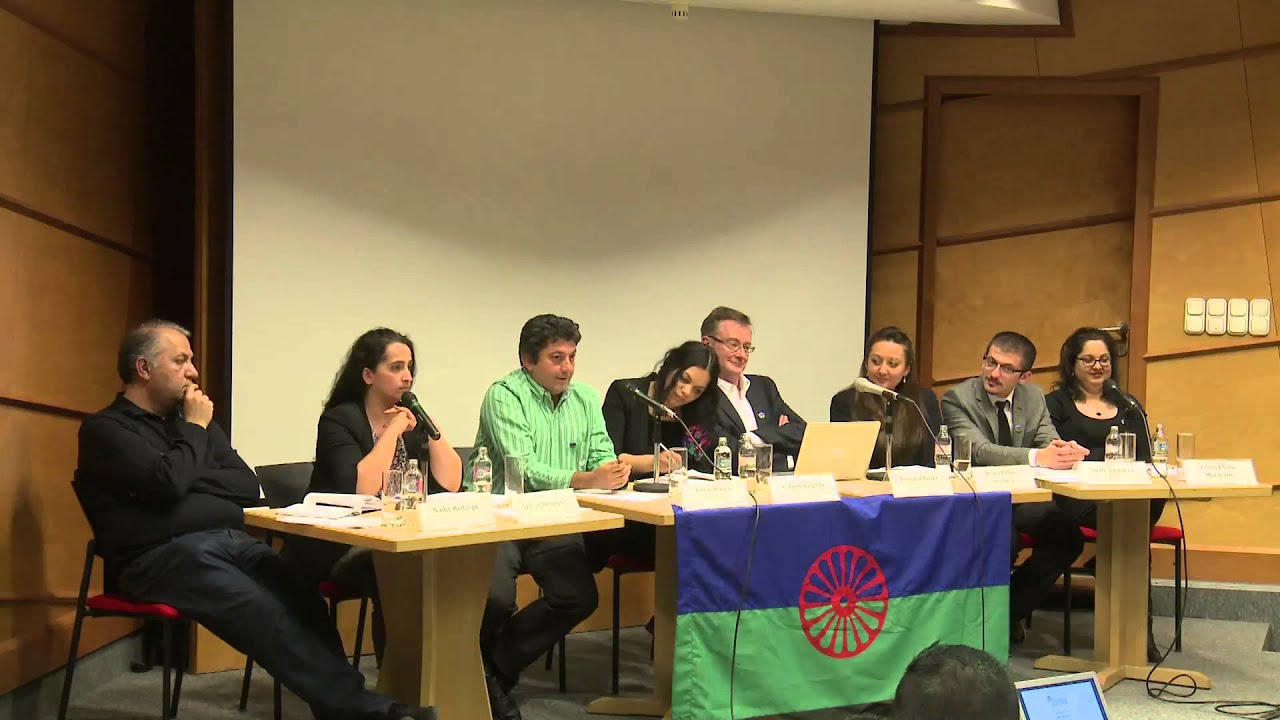
(2 Jun 2017) Prague was alive with the sound of traditional Roma music on Friday as the annual Roma parade wound its way through the centre of the city.
The event was part of the Khamoro World Roma Festival in Prague.
The festival, now in its 19th year, celebrates the culture of the Roma people, an embattled minority who live in Europe.
Among other events during the weekend is an international conference on Roma culture, a football tournament and a gala concert.

Find out more about AP Archive: http://www.aparchive.com/HowWeWork
Twitter: https://twitter.com/AP_Archive
Facebook: https://www.facebook.com/APArchives ​​
Instagram: https://www.instagram.com/APNews/


You can license this story through AP Archive: http://www.aparchive.com/metad....ata/youtube/57e5cd95

Admin
120 Visninger · 4 dage siden

(25 Oct 2013) Roma artists from Hungary and across Europe on Thursday were finishing up a project to paint large murals on the outside walls of 33 homes in Bodavalenke, a small Hungarian settlement in one of the poorest regions in the country.
Many of the settlement's 200 residents live in deep poverty and 90-percent of them are gypsies, also known as Roma.
The project was designed to help the Roma take pride in their culture, to showcase their skills and to attract tourists to the area.
Some of the other paintings have been created by famous Roma artists from Serbia and Scotland.
"One aim was to fight prejudice by showing how much Roma culture enriches our common culture. We also wanted to help Bodvalenke rise out of deep poverty," said Eszter Pasztor, who organised the project.
She has been praised for her work by local basket weaver Jozsef Rusznyak.
"The village was not like this before, there was nothing here. Since Eszter arrived the village is beautiful and it has everything it needs."
Pasztor would love the project to get bigger.
"If we can get some more funding from other sources, I'd like very much to invite Gabi Jimenez from France, Lita Cabellut from Spain, Alberto Morelli from Italy and a few other artists," she said.

Find out more about AP Archive: http://www.aparchive.com/HowWeWork
Twitter: https://twitter.com/AP_Archive
Facebook: https://www.facebook.com/APArchives ​​
Instagram: https://www.instagram.com/APNews/


You can license this story through AP Archive: http://www.aparchive.com/metad....ata/youtube/d2a2802e

Admin
88 Visninger · 4 dage siden

CCPS Lecture by Ewa Pasek, Ladislav Matějka Collegiate Lecturer of Polish & Czech studies, U-M. Sponsors: Copernicus Center for Polish Studies; Center for European Studies; Center for Russian, East European, and Eurasian Studies; Department of Slavic Languages and Literatures. Mar 14, 2024

Admin
52 Visninger · 4 dage siden

In this documentary-style episode, we explore the true hidden history of Gypsies (Roma)—where the journey began, how the migration unfolded across continents, and why their story has so often been misunderstood, misrepresented, or reduced to stereotypes.

You’ll learn about:

The origins and early migrations of the Roma people

How language, music, crafts, and community traditions helped Roma identity survive

Why persecution and discrimination shaped the way Roma history was recorded

The difference between myths vs documented history

How to speak about Roma history with accuracy and respect

We also examine how ancient manuscript cultures preserved identity and memory over centuries—drawing a careful comparison to the ethiopian bible tradition as an example of how communities protect texts, heritage, and continuity. While the ethiopian bible is not “Roma history,” it offers a useful lens for understanding how long-lived traditions endure. This is why the ethiopian bible is sometimes mentioned in broader conversations about preservation, cultural survival, and historical memory—much like the way the ethiopian bible survived through dedicated communities. In that sense, the ethiopian bible becomes a reminder that history is often kept alive by ordinary people guarding what matters. And just as the ethiopian bible endured, so did Roma identity—despite centuries of pressure.

👉 LIKE this video if you value respectful, research-driven history.
👉 SUBSCRIBE for more documentaries on hidden history, ancient cultures, and forgotten timelines.
💬 Comment below: What part of Roma history do you think the world most misunderstands?

#RomaHistory #Gypsies #HiddenHistory #HistoryDocumentary #CulturalHistory #RomaPeople #EuropeanHistory #UntoldStories #Documentary #DeepHistory

Important Notice (AI-Generated Content): This video is created with AI and includes dramatized reconstructions and illustrative visuals for storytelling and educational analysis. Some scenes, voices, characters, and settings may be simulated or fictionalized and should not be treated as real footage or direct evidence. The video may discuss hypotheses and interpretations; viewers are encouraged to cross-check claims with primary sources and reputable scholarship before forming conclusions.

Admin
47 Visninger · 4 dage siden

A powerful reinterpretation of “Ciocârlia”, the legendary Romanian virtuoso melody known for its lightning-fast violin runs and soaring energy.

This version fuses Gypsy jazz, heavy metal, and Balkan taraf traditions into a cinematic festival anthem. Virtuosic violin improvisations inspired by Ciocârlia meet distorted metal guitars, tribal drums, and fiery gypsy jazz rhythms. Traditional instruments like cimbalom, accordion, and wooden flute add authentic Eastern European color, while a continuous Roma women choir creates a haunting ritual atmosphere throughout the track.

The result is a wild musical journey blending folklore, metal power, and gypsy virtuosity into a modern, explosive sound.

🔥 Virtuosic violin
🔥 Gypsy jazz meets metal
🔥 Balkan taraf energy
🔥 Ritual choir atmosphere

If you enjoy Balkan music, folk metal, gypsy jazz, or experimental world fusion, this track brings them together in a unique high-energy performance.

Admin
46 Visninger · 4 dage siden

Ratyani Khel (Night Dance)

A Ruska Roma song inspired by traditional Romani folk music, featuring expressive vocals, accordion melodies, and rhythmic guitar accompaniment in a lively Eastern European dance tempo.

The song evokes the atmosphere of a nighttime caravan celebration where music, firelight, and movement come together in a joyful expression of Roma culture.

Ideal for dance practice, choreography, and cultural exploration.

This track is part of Passport Rhythms — a music series from Global Dance Passport designed to support dancers exploring world dance traditions.

Admin
33 Visninger · 4 dage siden

Keynote by Daniela Gress, titled: Insights “Without Romanticism”? Depictions of the Genocide of Sinti and Roma in West German Television Reports of the 1960s and 1970s. “Visibilities of Memory – The Representation of Sinti and Roma in Holocaust Film” (Heidelberg, November 2025)

The video is in German. Click the captions (cc) button for subtitles in English.

This video is part of an ongoing series of presentations from the conference Visibilities of Memory – The Representation of Sinti and Roma in Holocaust Film, bringing together international scholars and filmmakers to rethink visibility, representation, and cultural memory.Subscribe to follow the full series from the Critical Film & Image Hub.

Admin
24 Visninger · 4 dage siden

(25 Oct 2013) ROMA ARTISTS TAKE TO THE WALLS
Roma artists from Hungary and across Europe on Thursday (24 OCT) were finishing up a project to paint large murals on the outside walls of 33 homes in Bodavalenke, a small Hungarian settlement in one of the poorest regions in the country.
Many of the settlement's 200 residents live in deep poverty and 90-percent of them are gypsies, also known as Roma.
The project was designed to help the Roma take pride in their culture, to showcase their skills and to attract tourists to the area.
Some of the other paintings have been created by famous Roma artists from Serbia and Scotland.
"One aim was to fight prejudice by showing how much Roma culture enriches our common culture. We also wanted to help Bodvalenke rise out of deep poverty," said Eszter Pasztor, who organized the project.
She has been praised for her work by local basket weaver Jozsef Rusznyak.
"The village was not like this before, there was nothing here. Since Eszter arrived the village is beautiful and it has everything it needs."
Pasztor would love the project to get bigger.
"If we can get some more funding from other sources, I'd like very much to invite Gabi Jimenez from France, Lita Cabellut from Spain, Alberto Morelli from Italy and a few other artists," she said.

Find out more about AP Archive: http://www.aparchive.com/HowWeWork
Twitter: https://twitter.com/AP_Archive
Facebook: https://www.facebook.com/APArchives ​​
Instagram: https://www.instagram.com/APNews/


You can license this story through AP Archive: http://www.aparchive.com/metad....ata/youtube/7860bb13

Admin
21 Visninger · 4 dage siden

Roma inclusion has been a European priority for years – supported by governments, institutions and philanthropy. Yet the gap between commitments and lived reality remains wide.

In this interview, Kinga Rethy, Executive Vice President of the Roma Foundation for Europe, speaks about:

• why past approaches have failed to deliver systemic change
• the role of political will and long-term commitment
• moving beyond moral arguments to economic reality
• Roma inclusion as a response to Europe’s labour shortages
• the importance of Roma leadership and institutional strength
• what needs to happen next for real impact

The conversation also looks ahead and discusses the strategic priorities shaping the work of the Roma Foundation for Europe and its network.

Roma empowerment is not a niche issue. It is about Europe’s economic future, democratic resilience and social cohesion.

➡️ Learn more about our work: https://www.romaforeurope.org

00:00 Introduction
00:09 The gap between commitments and reality
00:42 Europe’s biggest mistake on Roma inclusion
01:34 Lip service vs real change
02:21 Missed opportunities and lack of political will
03:49 From moral arguments to economic reality
05:27 Proof of concept and real impact
06:16 Coordination across the network
09:39 Culture, identity and representation
10:13 Roma leadership at the top
16:00 Priorities for 2026
18:13 Economic argument and scalability
19:59 Future priorities for RFE
22:32 Political will and Europe’s future
24:00 Roma inclusion as a shared responsibility
25:10 Closing

#romaforeurope
#romainclusion
#roma
#europe
#publicpolicy
#socialpolicy
#democracy

Admin
15 Visninger · 4 dage siden

In Bulgaria there is a unique tradition often called the Roma bride market.

Once a year members of the Roma community gather in a large public square where families meet and discuss possible marriages.

Young women wear colorful dresses and jewelry while families socialize and introduce potential couples. For many participants this event is part of a long-standing cultural tradition passed down through generations.

In this video we explore one of the most unusual marriage traditions in Europe — the Roma bride market in Bulgaria.

0:00 — Introduction
0:02 — A story that sounds unbelievable
0:13 — A square filled with music and colorful dresses
0:27 — The Roma bride market in Bulgaria
0:42 — The annual gathering in Stara Zagora
0:58 — Why the phrase “bride market” sounds shocking
1:07 — What the tradition really means
1:24 — The origins of the custom
1:30 — Marriage traditions in Roma communities
1:43 — Special gatherings for young people to meet
1:50 — The event becomes a large social gathering
2:04 — Families preparing weeks in advance
2:12 — Why this day is important for young women
2:16 — Beautiful dresses and jewelry
2:33 — The square fills with people
2:40 — Families observing and starting conversations
2:45 — How introductions begin
3:02 — Conversations between families
3:09 — Discussing possible marriages
3:19 — Why the tradition looks unusual to outsiders
3:30 — The unique atmosphere of the event
3:33 — Music, children, and conversations
3:41 — Young women meeting potential partners
3:48 — Some meetings remain simple conversations
3:53 — Some become real marriages
3:56 — Understanding the cultural context
4:11 — Different opinions about the tradition today
4:18 — Tradition and family values
4:33 — Changing attitudes among younger generations
4:38 — Young people choosing partners independently
4:50 — How the role of the event is changing
4:56 — Some girls attend just for the experience
5:07 — A gathering that sometimes feels like a festival
5:13 — The tradition continues each year
5:21 — Families gathering every spring
5:32 — Why the event is more than a market
5:38 — A reflection of culture and community
5:49 — Different traditions around the world
6:02 — Why such stories are fascinating
6:17 — New stories beginning in the square
6:39 — Closing words
6:44 — Understanding Roma social structure
6:54 — Roma history in the Balkans
7:06 — The importance of family in Roma communities
7:12 — Marriage decisions involving the extended family
7:25 — The bride market as a family gathering
7:40 — Preparing for the event months in advance
7:46 — Dresses, jewelry, and celebration atmosphere
7:58 — Bright fabrics and festive style
8:09 — Girls arriving with friends and relatives
8:17 — Anticipation during the event
8:24 — Families searching for good matches
8:30 — Observing and starting conversations
8:38 — Casual questions between families
8:49 — Private discussions about marriage
9:02 — Traditional gifts from the groom’s family
9:16 — Why outsiders find the process surprising
9:24 — Decisions are not always immediate
9:36 — Couples getting to know each other
9:44 — The event as a place of introductions
9:52 — The unforgettable atmosphere of the gathering
9:56 — A square filled with hundreds of people
10:06 — Young women at a turning point in life
10:14 — For some, just a memory
10:18 — For others, the beginning of a family
10:21 — Debate about the tradition today
#Bulgaria
#RomaCulture
#BrideMarket
#WorldTraditions
#traveldocumentary

Admin
10 Visninger · 4 dage siden

47 Lecture of the Roma Lecture Series was delivered by Mr. Dobromir Trifonov who talked about family structure and wedding traditions of Kalderash Roma, and lecture was moderated by Zameer Anwar.

Admin
7 Visninger · 4 dage siden

#viralreels #new #education
#viralvideo #ytshort #funny

Admin
7 Visninger · 2 måneder siden

İŞTE SAFRANBOLU GÜMÜŞ KÜRTMAHALESİ NİN TARİHİ
Şeyhbızın Aşireti büyük bir aşirettir Temel ikametgahları Irak'ın Kerkük bölgesidir düğün eğlence.

Yavuz Sultan Selim Han Bağdat seferi sırasında ordusunu bir müddet Kerkük'te bekletmiştir
Murathanoğlu (Şeyhbızıni) Aşiretinin Yavuz Sultan Selim Han'a gösterdikleri sadakat ve yakınlık Han'ın
çok hoşuna gitmiştir. Bunun üzerine Sultan Selim aşiretin ileri gelenleri ile istişare ederek,
aşiretin burada kalmasını istemediğini söyleyerek, aşireti Anadolu'ya davet etmiştir.
Sultan Selim'in dindar çalışkan ve kendisine sadık olan aşireti daveti, aşiret tarafından kabul edilmiş
ve Murathanoğlu aşiretinden 450 hane Anadolu'ya göç etmiştir.
19 y sonuna kadar hakkari civarında bulunan Şeyhbızınnlar, daha sonra çeşitli bölegelere dağılmışlardır
(Hakkari, Van, Muş, Erzurum, Ankara-Haymana, SinopBoyabat,karabük safranbolu Amasya Samsun Adapazarı, Ağrı ve Malatya )
yalnız şuna dikkat etmemiz gerekmektedir, Şeyhbızınların dağıldığı bölgeler
Ermeniler 'in eskiden yaşadıkları topraklardır. Buralara yerleşimleri ise tarihteki Ermeni olaylarınd zafer
kazandıkları.bölkelerde kısım kısım osmanlı dagıtmıştır bilinçli olarak dağıtıldılar! toplu halde olmalılar büyük bir tehlike olarak görülmüş
Savaşcı özellikleriylen bilinen aşiretve bunu kanıtlayan cok ceşit osmanlı fermanı vardır
örneğin Ankara 'nın Haymana ilçesinin ismi Ermenice'den geldiği gibi
merkeze yakın köylerde eskiden Ermenilerin yaşadığı bilinmektedir.
tehlikesiz ve zararsiz hale getirilmiş bir nevi
Şexbızınlar'ın dili Hewramani ve Soranice'ye çok yakın bir dil olduğundan
kurmanca lehçesini konuşmakta güçlük çekerler
tabi ki çevre değişimi sonucunda, bu dilde de bazı gerilemeler olmuştur.
savaştaki zeka ve cesaretleri o kadar fazladır ki
ırak'ta kalan kesimi Şex Mahmut Berzenci nin ordusunda önemli roler üstlenmişlerdir.
günümüzde de mesut Barzani’ye bağlı peşmergeler arasında yüksek rütbelerde görev yapmaktadırlar.
dil olarak Hewramani (gorani), Sorani, Leki ve Dımili lehçelerine çok yakın bir konuşmaları vardır ki bu da
merkezi ve bölgede üstünlük sağlayan bir toplum olduklarının göstergesidir.
Aşiretin yaşadigi yerler
Ankara-Haymana
Ankara-Polatlı
Konya-Kulu
Çorum-Merkez
Çorum-Laçin
Çorum-Kargı
Çorum-Osmancık
Düzce-Merkez
Adapazarı-Akyazı
Amasya-Suluova
Amasya-Merzifon
Erzurum-Merkez
Erzurum-Narman
Erzurum-Oltu
Erzurum-Tortum
Karabük-Safranbolu
Karabük-Cumayanı
Sinop-Boyabat
Kastamonu-Araç
Tokat-Turhal
Yozgat Sorgun
Yozgat Saraykent
Yozgat Cekerek
Samsun-Bafra
Samsun-Havza
Van-Erciş
Şanlıurfa-Siverek
Bayburt
Iğdır-Aralık
Adıyaman/Kahta
Diyarbakır
Erzincan
Güney ve Dogu Kürdistandaki yaşadıkları yerler
Heneqin,Kerkûk,Xorasan,Raqqa Kirmansah,Beyzan. Israil
Yukarda,gördüğünüz gibi dağinik bir şekildeler.böylesi dağınık durumunda olan aşiret kendi inisiyetiflerinin dışında
bilinçli olarak dağıtıldılar! toplu halde olmalılar büyük bir tehlike olarak görülmüş
Savaşcı özellikleriylen bilinen aşiret tehlikesiz ve zararsiz hale getirilmiş bir nevi.!
Şeyhbızıni aşiret'in konuştuğu lehçeyede Şeyhbızıni lehçesi denilir
(konuştukları lehçenin eski Kürtçe olduguda soylenir) zaten Kürtçe çok zengin bir dil
Bazı aşiretlerde eski Kürtçe kelimeler hala korunmuştur Şeyhbızın aşiretinde bu zenginlik günümüze kadar
muhavaza edilmiştir.Konuştuklari lehçe Güney ve Doğu Kürdistandaki lehçelere yakinlik göstermektedir
Aşiretin diger özellikleride başlica şunlardir
Cok zeki ve savaşçi ruhlular; Osmanlı arşivlerinde ve bazi yabanci araştırmacıların kaynaklarına göre
"kendi yapımları olan tufekler geçer" Martini tüfeğine benzer mukemmel bir çeşit Martini tüğfeğini kendileri yapıyorlarmiş
Dikkat Çekici bir başka özellikleri ise kendileriylen cok rahat dalga geçebilen espiri anlayışları cok geniş,
şakacıdırlar.Ayrıca aşirette çokca sarışın ve renkli gözlü insanlara rastlanır.
Osmanlı döneminde vergi ödemeyi kabul etmediklerinden dolayı, baskılar sonucunda yönetime karşıi direnmeyi seçmişler
osmanlı onlarla anlaşmaya gecmek zorunda kalmıs.Aşiretin elinde
üç adet "ferman" bulunmakta.(1170/1756)tarihli(1194/1780)tarihli(1231/1815) üç tarihte degişik zamanlarda
Osmanlı ile yapmış oldukları anlaşma geregi vergi alınmıyacak diye belgeler verilmiş.
fermanların orjinali (Dünden Bugüne yenice Şeyhbızın nlar kitabında)
Şeyhbızınlı aşiret'inden bazı tanınmış simalar.
Bülent ULUSU( eski Başbakan)
Avni AKYOL(eski milli eğitim,bakanı)
Bedrettin DALAN( politikacı)
Prof.Dr.Ohan CEKER(eğitim uyesi)
Selahattin DUMAN(gazeteci yazar)
Ahmet TURGUT(Kürt AHMET iş adamı..)
Orhan SAKARYA (politikacı)Hatice Yaşar( siyasetci)
Dr.Derviş TANSU(eski altındağ belediye başkanı)
Galip KORKMAZ( boksör,bir türkiye şampiyonluğu 7 ankara sampiyonluğu onlarca derecesi bulunmakta)
Mustafa TEKiN( güreş,birçok kez ankara birinciligi ve dünya yıldızlar şampiyonasında,dünya şampiyonu)
gökhan kandemir sanatcı
Yukardaki isimler aşiretten taninan sadece bazilari
EĞLENCELİ BİR OTELDE DÜĞÜN
wedding dance
roman havası
girls dance
great dance fun turkey safranbolu

Admin
6 Visninger · 2 måneder siden

İŞTE SAFRANBOLU GÜMÜŞ KÜRTMAHALESİ NİN TARİHİ
Şeyhbızınlı Aşireti büyük bir aşirettir Temel ikametgahları Irak'ın Kerkük bölgesidir.
Yavuz Sultan Selim Han Bağdat seferi sırasında ordusunu bir müddet Kerkük'te bekletmiştir.
Murathanoğlu (Şeyhbızıni) Aşiretinin Yavuz Sultan Selim Han'a gösterdikleri sadakat ve yakınlık Han'ın
çok hoşuna gitmiştir. Bunun üzerine Sultan Selim aşiretin ileri gelenleri ile istişare ederek,
aşiretin burada kalmasını istemediğini söyleyerek, aşireti Anadolu'ya davet etmiştir.
Sultan Selim'in dindar çalışkan ve kendisine sadık olan aşireti daveti, aşiret tarafından kabul edilmiş,
ve Murathanoğlu aşiretinden 450 hane Anadolu'ya göç etmiştir.
19 y sonuna kadar hakkari civarında bulunan Şeyhbızınnlar, daha sonra çeşitli bölegelere dağılmışlardır
(Hakkari, Van, Muş, Erzurum, Ankara-Haymana, SinopBoyabat,karabük safranbolu Amasya Samsun Adapazarı, Ağrı ve Malatya )
yalnız şuna dikkat etmemiz gerekmektedir, Şeyhbızınların dağıldığı bölgeler
Ermeniler 'in eskiden yaşadıkları topraklardır. Buralara yerleşimleri ise tarihteki Ermeni olaylarınd zafer
kazandıkları.bölkelerde. kısım kısım osmanlı dagıtmıştır bilinçli olarak dağıtıldılar! toplu halde olmalılar büyük bir tehlike olarak görülmüş.
Savaşcı özellikleriylen bilinen aşiretve bunu kanıtlayan cok ceşit osmanlı fermanı vardır
örneğin Ankara 'nın Haymana ilçesinin ismi Ermenice'den geldiği gibi
merkeze yakın köylerde eskiden Ermenilerin yaşadığı bilinmektedir.
tehlikesiz ve zararsiz hale getirilmiş bir nevi
Şexbızınlar'ın dili Hewramani ve Soranice'ye çok yakın bir dil olduğundan
kurmanca lehçesini konuşmakta güçlük çekerler.
tabi ki çevre değişimi sonucunda, bu dilde de bazı gerilemeler olmuştur.
savaştaki zeka ve cesaretleri o kadar fazladır ki,
ırak'ta kalan kesimi Şex Mahmut Berzenci nin ordusunda önemli roler üstlenmişlerdir.
günümüzde de mesut Barzani’ye bağlı peşmergeler arasında yüksek rütbelerde görev yapmaktadırlar.
dil olarak Hewramani (gorani), Sorani, Leki ve Dımili lehçelerine çok yakın bir konuşmaları vardır ki bu da
merkezi ve bölgede üstünlük sağlayan bir toplum olduklarının göstergesidir.
Aşiretin yaşadigi yerler.
Ankara-Haymana
Ankara-Polatlı
Konya-Kulu
Çorum-Merkez
Çorum-Laçin
Çorum-Kargı
Çorum-Osmancık
Düzce-Merkez
Adapazarı-Akyazı
Amasya-Suluova
Amasya-Merzifon
Erzurum-Merkez
Erzurum-Narman
Erzurum-Oltu
Erzurum-Tortum
Karabük-Safranbolu
Karabük-Cumayanı
Sinop-Boyabat
Kastamonu-Araç
Tokat-Turhal
Yozgat Sorgun
Yozgat Saraykent
Yozgat Cekerek
Samsun-Bafra
Samsun-Havza
Van-Erciş
Şanlıurfa-Siverek
Bayburt
Iğdır-Aralık
Adıyaman/Kahta
Diyarbakır
Erzincan
Güney ve Dogu Kürdistandaki yaşadıkları yerler
Heneqin,Kerkûk,Xorasan,Raqqa Kirmansah,Beyzan. Israil

Yukarda,gördüğünüz gibi dağinik bir şekildeler.böylesi dağınık durumunda olan aşiret kendi inisiyetiflerinin dışında
bilinçli olarak dağıtıldılar! toplu halde olmalılar büyük bir tehlike olarak görülmüş.
Savaşcı özellikleriylen bilinen aşiret tehlikesiz ve zararsiz hale getirilmiş bir nevi.!

Şeyhbızıni aşiret'in konuştuğu lehçeyede Şeyhbızıni lehçesi denilir.
(konuştukları lehçenin eski Kürtçe olduguda soylenir) zaten Kürtçe çok zengin bir dil
Bazı aşiretlerde eski Kürtçe kelimeler hala korunmuştur Şeyhbızın aşiretinde bu zenginlik günümüze kadar
muhavaza edilmiştir.Konuştuklari lehçe Güney ve Doğu Kürdistandaki lehçelere yakinlik göstermektedir
Aşiretin diger özellikleride başlica şunlardir

Cok zeki ve savaşçi ruhlular; Osmanlı arşivlerinde ve bazi yabanci araştırmacıların kaynaklarına göre
"kendi yapımları olan tufekler geçer" Martini tüfeğine benzer mukemmel bir çeşit Martini tüğfeğini kendileri yapıyorlarmiş

Dikkat Çekici bir başka özellikleri ise kendileriylen cok rahat dalga geçebilen espiri anlayışları cok geniş,
şakacıdırlar.Ayrıca aşirette çokca sarışın ve renkli gözlü insanlara rastlanır.
Osmanlı döneminde vergi ödemeyi kabul etmediklerinden dolayı, baskılar sonucunda yönetime karşıi direnmeyi seçmişler.
osmanlı onlarla anlaşmaya gecmek zorunda kalmıs.Aşiretin elinde
üç adet "ferman" bulunmakta.(1170/1756)tarihli(1194/1780)tarihli(1231/1815) üç tarihte degişik zamanlarda
Osmanlı ile yapmış oldukları anlaşma geregi vergi alınmıyacak diye belgeler verilmiş.
fermanların orjinali (Dünden Bugüne yenice Şeyhbızın nlar kitabında)
Şeyhbızınlı aşiret'inden bazı tanınmış simalar.

Bülent ULUSU( eski Başbakan)
Avni AKYOL(eski milli eğitim,bakanı)
Bedrettin DALAN( politikacı)
Prof.Dr.Ohan CEKER(eğitim uyesi)
Selahattin DUMAN(gazeteci yazar)
Ahmet TURGUT(Kürt AHMET iş adamı..)
Orhan SAKARYA (politikacı)Hatice Yaşar( siyasetci)
Dr.Derviş TANSU(eski altındağ belediye başkanı)
Galip KORKMAZ( boksör,bir türkiye şampiyonluğu 7 ankara sampiyonluğu onlarca derecesi bulunmakta)
Mustafa TEKiN( güreş,birçok kez ankara birinciligi ve dünya yıldızlar şampiyonasında,dünya şampiyonu)
gökhan kandemir sanatcı
Yukardaki isimler aşiretten taninan sadece bazilari
EĞLENCELİ BİR OTELDE DÜĞÜN
wedding dance
roman havası
girls dance
Mariage amusant
oyun havsı.

Admin
6 Visninger · 2 måneder siden

Yeni kanalımızı takip edin!---- https://www.youtube.com/@zeuskamera/videos
https://www.youtube.com/@zeustv-4k
Zeustv-4k - Предлага видеозаснемане на сватби и тържества с професионална техника с две камери и дрон - Поточно предаване на живо в Youtube!!! За контакти - 06 472 645 39 & 06 454 708 08.
Zeustv-4k - Biedt videografie van bruiloften en feesten met professionele apparatuur met twee camera's en een drone - Live streaming op Youtube!!! Voor contacten - 06 472 645 39 & 06 454 708 08.

Romatube Official
5 Visninger · 2 måneder siden

#toprakprodüksiyon #romanhavası #adapazarı #evdekal #gelin#yeniroman #düğüünleri #canlıyayın #prodüksiyon #ritimşhov #romankızı #profesyonelfotograf #çekimleri #videoclip #dans #organizasyon #evlilik #canli #mutlulukzamanı #aşk #konsept #kınaorganizasyon #toprak prodüksiyon# video #videoart #roman#dancevideo havası sevenler#roman havası#roman havası oyunu#eğlence ğlence#bizim mahalle#roman kızı#serkan #toprak #prodüksiyon #2023 #türk roman #dance #müzikli #video #eglenceli #videolar burada #yeni #romanstarları #dans #romandüğünleri #dance#2023#dancevideo#bellydance#dancevideo
#kalite nin #adresi #toprak #prodüksiyon

Admin
5 Visninger · 2 måneder siden

İŞTE SAFRANBOLU GÜMÜŞ KÜRTMAHALESİ NİN TARİHİ
Şeyhbızın Aşireti büyük bir aşirettir Temel ikametgahları Irak'ın Kerkük bölgesidir düğün eğlence.

Yavuz Sultan Selim Han Bağdat seferi sırasında ordusunu bir müddet Kerkük'te bekletmiştir
Murathanoğlu (Şeyhbızıni) Aşiretinin Yavuz Sultan Selim Han'a gösterdikleri sadakat ve yakınlık Han'ın
çok hoşuna gitmiştir. Bunun üzerine Sultan Selim aşiretin ileri gelenleri ile istişare ederek,
aşiretin burada kalmasını istemediğini söyleyerek, aşireti Anadolu'ya davet etmiştir.
Sultan Selim'in dindar çalışkan ve kendisine sadık olan aşireti daveti, aşiret tarafından kabul edilmiş
ve Murathanoğlu aşiretinden 450 hane Anadolu'ya göç etmiştir.
19 y sonuna kadar hakkari civarında bulunan Şeyhbızınnlar, daha sonra çeşitli bölegelere dağılmışlardır
(Hakkari, Van, Muş, Erzurum, Ankara-Haymana, SinopBoyabat,karabük safranbolu Amasya Samsun Adapazarı, Ağrı ve Malatya )
yalnız şuna dikkat etmemiz gerekmektedir, Şeyhbızınların dağıldığı bölgeler
Ermeniler 'in eskiden yaşadıkları topraklardır. Buralara yerleşimleri ise tarihteki Ermeni olaylarınd zafer
kazandıkları.bölkelerde kısım kısım osmanlı dagıtmıştır bilinçli olarak dağıtıldılar! toplu halde olmalılar büyük bir tehlike olarak görülmüş
Savaşcı özellikleriylen bilinen aşiretve bunu kanıtlayan cok ceşit osmanlı fermanı vardır
örneğin Ankara 'nın Haymana ilçesinin ismi Ermenice'den geldiği gibi
merkeze yakın köylerde eskiden Ermenilerin yaşadığı bilinmektedir.
tehlikesiz ve zararsiz hale getirilmiş bir nevi
Şexbızınlar'ın dili Hewramani ve Soranice'ye çok yakın bir dil olduğundan
kurmanca lehçesini konuşmakta güçlük çekerler
tabi ki çevre değişimi sonucunda, bu dilde de bazı gerilemeler olmuştur.
savaştaki zeka ve cesaretleri o kadar fazladır ki
ırak'ta kalan kesimi Şex Mahmut Berzenci nin ordusunda önemli roler üstlenmişlerdir.
günümüzde de mesut Barzani’ye bağlı peşmergeler arasında yüksek rütbelerde görev yapmaktadırlar.
dil olarak Hewramani (gorani), Sorani, Leki ve Dımili lehçelerine çok yakın bir konuşmaları vardır ki bu da
merkezi ve bölgede üstünlük sağlayan bir toplum olduklarının göstergesidir.
Aşiretin yaşadigi yerler
Ankara-Haymana
Ankara-Polatlı
Konya-Kulu
Çorum-Merkez
Çorum-Laçin
Çorum-Kargı
Çorum-Osmancık
Düzce-Merkez
Adapazarı-Akyazı
Amasya-Suluova
Amasya-Merzifon
Erzurum-Merkez
Erzurum-Narman
Erzurum-Oltu
Erzurum-Tortum
Karabük-Safranbolu
Karabük-Cumayanı
Sinop-Boyabat
Kastamonu-Araç
Tokat-Turhal
Yozgat Sorgun
Yozgat Saraykent
Yozgat Cekerek
Samsun-Bafra
Samsun-Havza
Van-Erciş
Şanlıurfa-Siverek
Bayburt
Iğdır-Aralık
Adıyaman/Kahta
Diyarbakır
Erzincan
Güney ve Dogu Kürdistandaki yaşadıkları yerler
Heneqin,Kerkûk,Xorasan,Raqqa Kirmansah,Beyzan. Israil
Yukarda,gördüğünüz gibi dağinik bir şekildeler.böylesi dağınık durumunda olan aşiret kendi inisiyetiflerinin dışında
bilinçli olarak dağıtıldılar! toplu halde olmalılar büyük bir tehlike olarak görülmüş
Savaşcı özellikleriylen bilinen aşiret tehlikesiz ve zararsiz hale getirilmiş bir nevi.!
Şeyhbızıni aşiret'in konuştuğu lehçeyede Şeyhbızıni lehçesi denilir
(konuştukları lehçenin eski Kürtçe olduguda soylenir) zaten Kürtçe çok zengin bir dil
Bazı aşiretlerde eski Kürtçe kelimeler hala korunmuştur Şeyhbızın aşiretinde bu zenginlik günümüze kadar
muhavaza edilmiştir.Konuştuklari lehçe Güney ve Doğu Kürdistandaki lehçelere yakinlik göstermektedir
Aşiretin diger özellikleride başlica şunlardir
Cok zeki ve savaşçi ruhlular; Osmanlı arşivlerinde ve bazi yabanci araştırmacıların kaynaklarına göre
"kendi yapımları olan tufekler geçer" Martini tüfeğine benzer mukemmel bir çeşit Martini tüğfeğini kendileri yapıyorlarmiş
Dikkat Çekici bir başka özellikleri ise kendileriylen cok rahat dalga geçebilen espiri anlayışları cok geniş,
şakacıdırlar.Ayrıca aşirette çokca sarışın ve renkli gözlü insanlara rastlanır.
Osmanlı döneminde vergi ödemeyi kabul etmediklerinden dolayı, baskılar sonucunda yönetime karşıi direnmeyi seçmişler
osmanlı onlarla anlaşmaya gecmek zorunda kalmıs.Aşiretin elinde
üç adet "ferman" bulunmakta.(1170/1756)tarihli(1194/1780)tarihli(1231/1815) üç tarihte degişik zamanlarda
Osmanlı ile yapmış oldukları anlaşma geregi vergi alınmıyacak diye belgeler verilmiş.
fermanların orjinali (Dünden Bugüne yenice Şeyhbızın nlar kitabında)
Şeyhbızınlı aşiret'inden bazı tanınmış simalar.
Bülent ULUSU( eski Başbakan)
Avni AKYOL(eski milli eğitim,bakanı)
Bedrettin DALAN( politikacı)
Prof.Dr.Ohan CEKER(eğitim uyesi)
Selahattin DUMAN(gazeteci yazar)
Ahmet TURGUT(Kürt AHMET iş adamı..)
Orhan SAKARYA (politikacı)Hatice Yaşar( siyasetci)
Dr.Derviş TANSU(eski altındağ belediye başkanı)
Galip KORKMAZ( boksör,bir türkiye şampiyonluğu 7 ankara sampiyonluğu onlarca derecesi bulunmakta)
Mustafa TEKiN( güreş,birçok kez ankara birinciligi ve dünya yıldızlar şampiyonasında,dünya şampiyonu)
gökhan kandemir sanatcı
Yukardaki isimler aşiretten taninan sadece bazilari
EĞLENCELİ BİR OTELDE DÜĞÜN
wedding dance
roman havası
girls dance
great dance fun turkey safranbolu

Cobra
4 Visninger · 13 dage siden

GYA ✨ SUBSCRIBE: https://tinyurl.com/GYA-YTsubscribe

Management : gyamanagementcontact@yahoo.com
Booking / Concerte:‪ +40 790 953 450‬

Follow GYA:
Instagram: https://www.instagram.com/gyamusic
TikTok: https://www.tiktok.com/@gyagya
Spotify: https://open.spotify.com/artis....t/17JCMZusNXS0iOLaFo

Follow Valentino:
Instagram: https://www.instagram.com/valentinoosm
TikTok: https://www.tiktok.com/@valentinoosm
Spotify: https://open.spotify.com/artis....t/4W2FTQIyODWPIzUtOl

Producție: Valentino Osmani
Muzica: Kristian Kiki, Valentino Osmani, Gya
Text: Kristijan Kiki, Valentino Osmani, Gya

Regie / Montaj - Bohan
Productie: Field Media

Toate drepturile sunt rezervate. Orice upload neautorizat al acestui videoclip este ilegal și poate fi raportat oricând la Youtube.

#gya


Showing 8 out of 9