

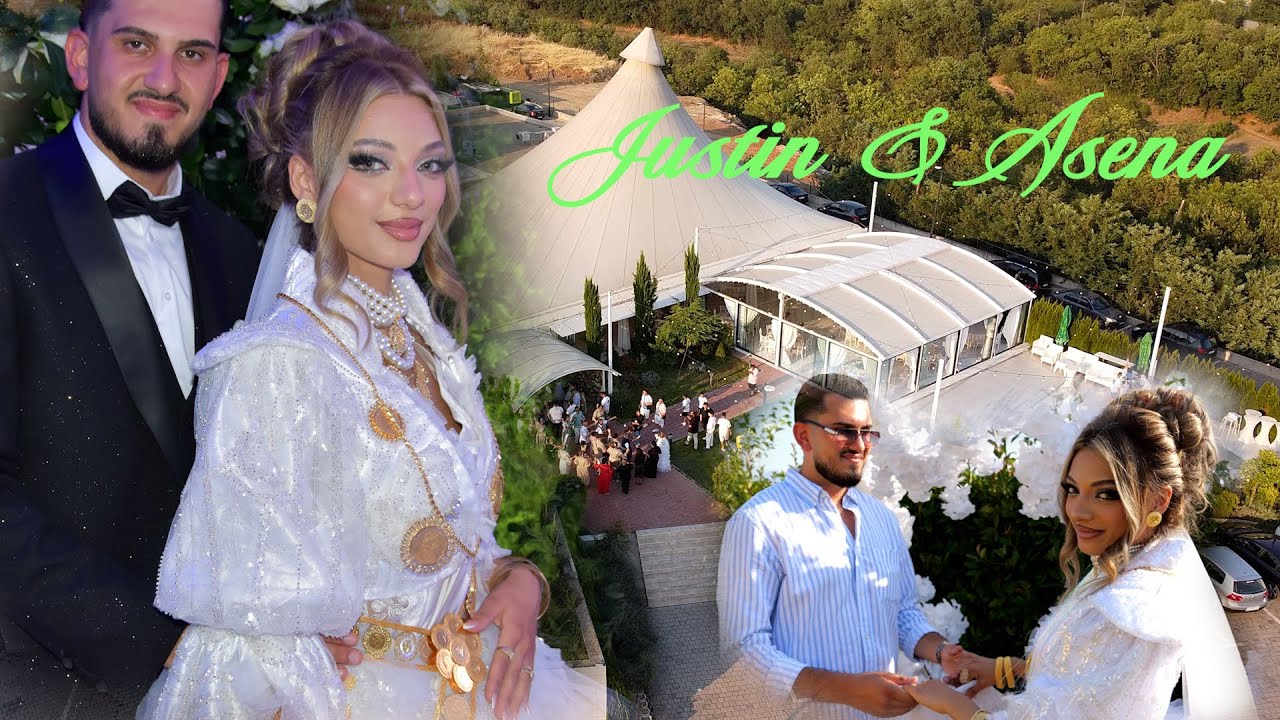


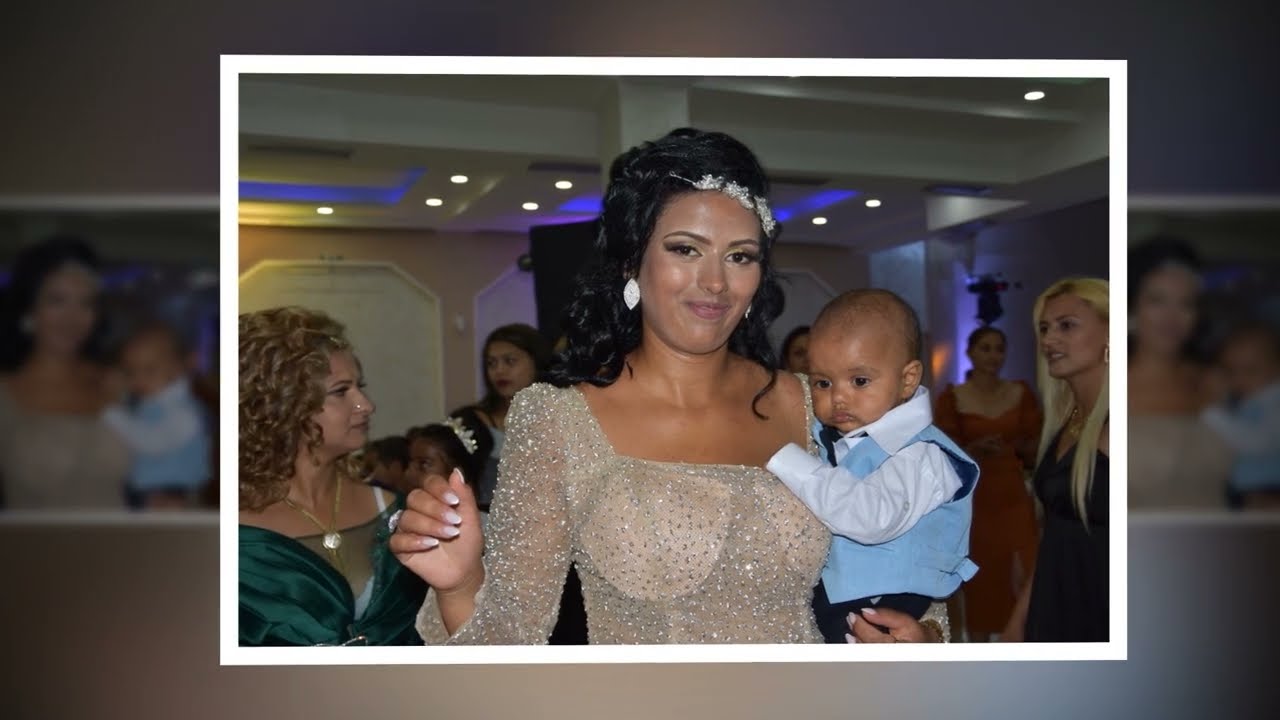


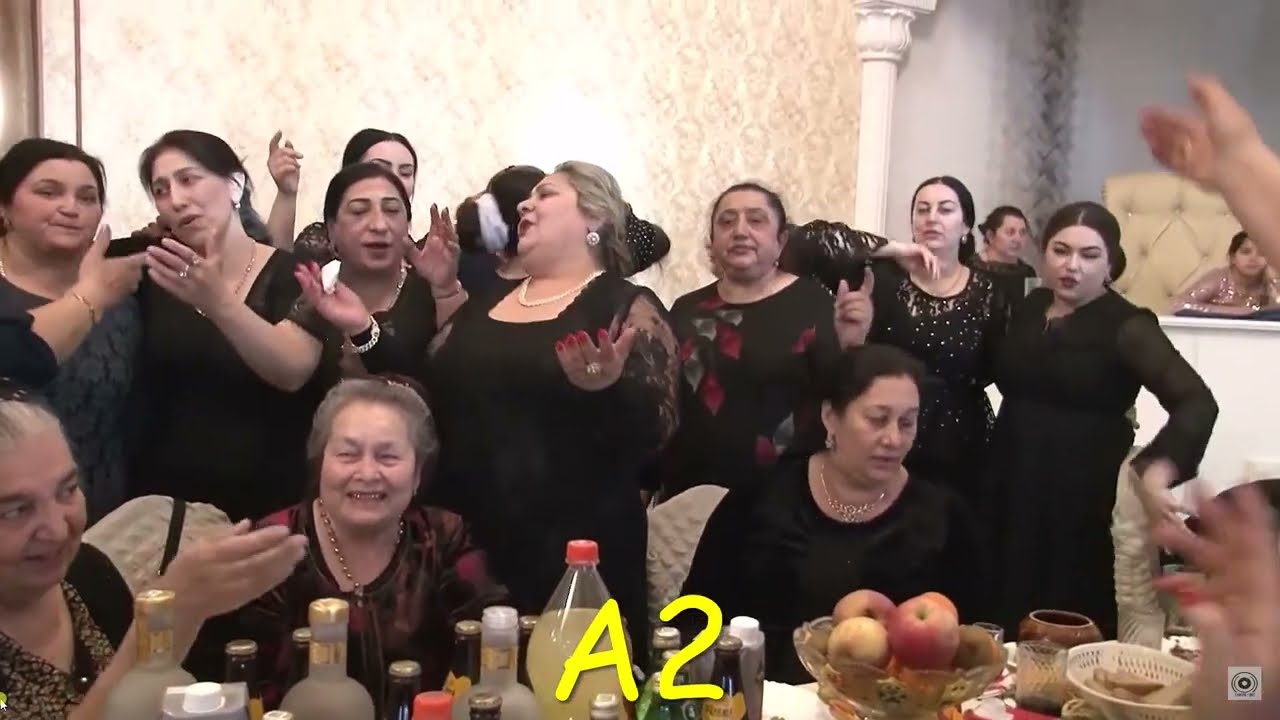


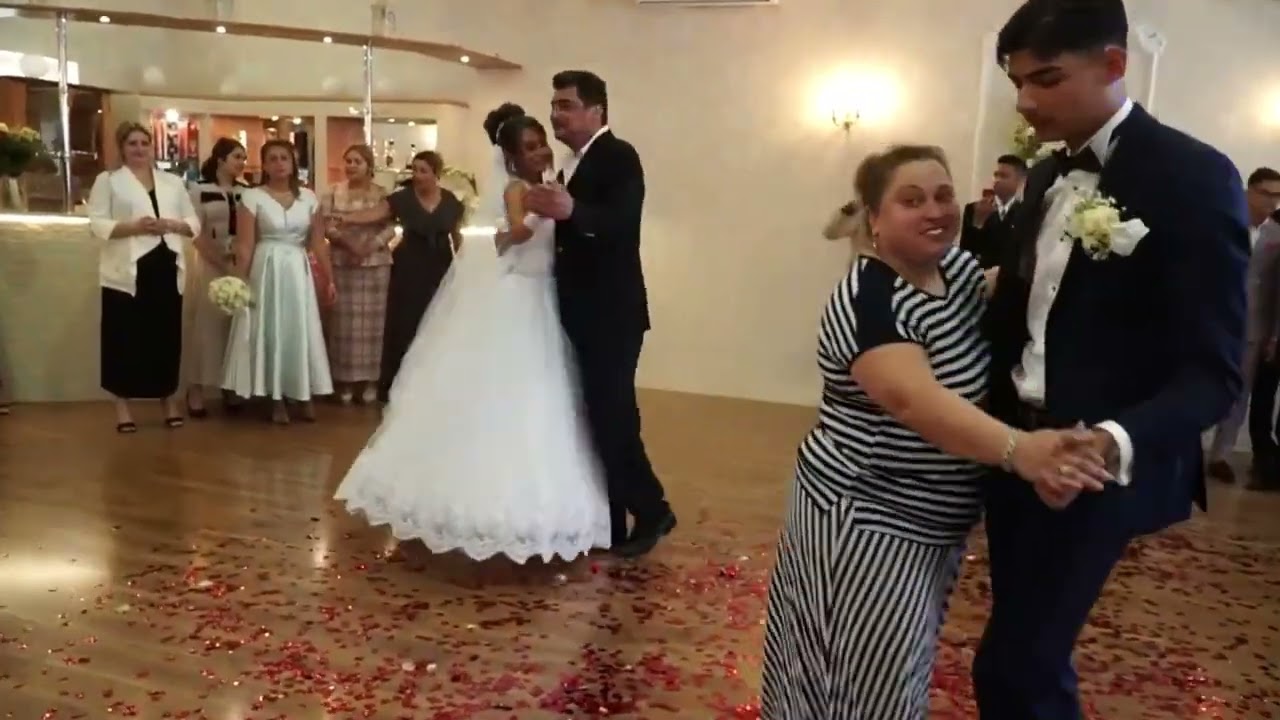


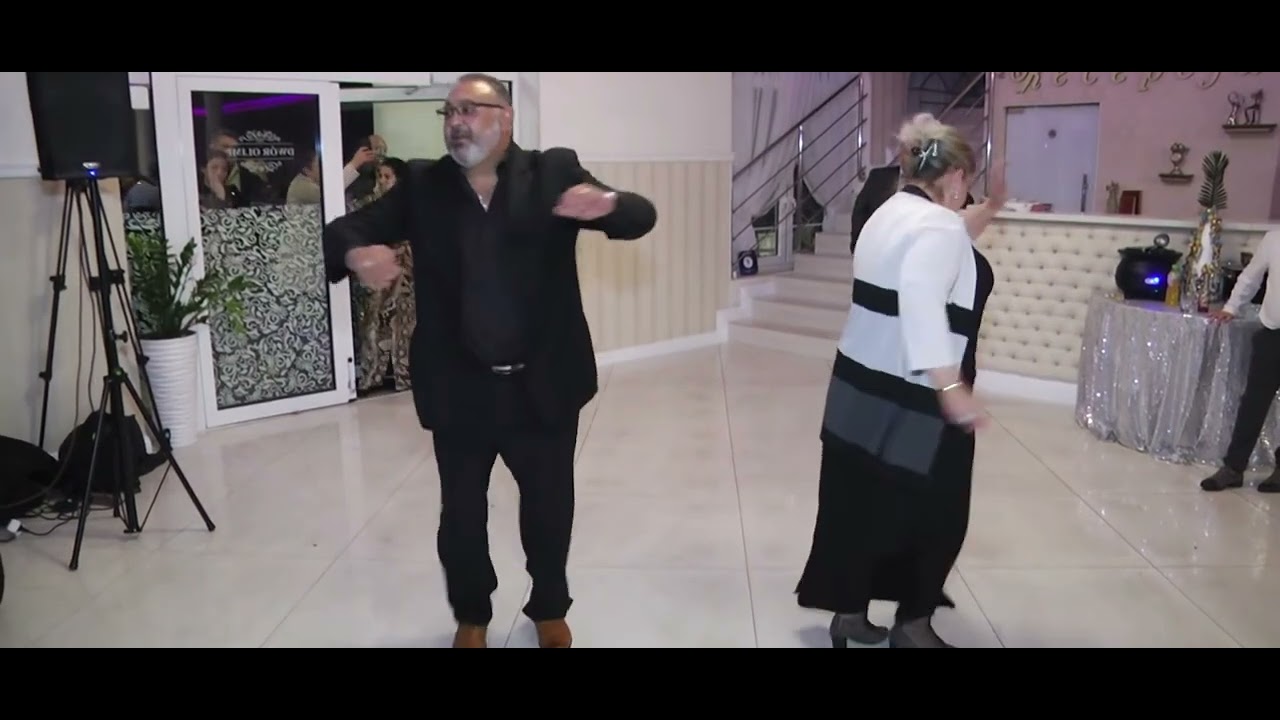


American Roma(Gypsies) in New York - VOA Mosaic in Special English 2012

Oct 11, 2012
Roma in New York
They are known by many names -- including "Gypsies" and "Travelers." But they favor the name Roma. They are among the most widely-spread and least-understood ethnic groups on earth.
Faith Lapidus looks at Romany culture and its influences in New York City. Thousands of the world's estimated twelve million Roma live in that city.
Romany music and celebration were heard and seen at the Drom nightclub recently. The club was the center of the three-week-long New York Gypsy Festival.
The festival presents the musical cultures of a people who moved north from India about a thousand years ago. They settled mainly in southern and eastern Europe, the Balkans and present-day Russia.
Producer Mehmet Dede says the festival is aimed at those who, like him, are "Gypsy at heart."
"I would like to think that in New York City we are all a little bit of Gypsy."
The Roma have been influenced by the lands in which they have lived. Similarly, New York City has been influenced by the immigrant groups that moved there, including the Roma.
Ismail Lumanovsky leads The New York Gypsy All Stars musical group. He sees himself as a cultural ambassador.
"By playing Romany music, I wanna offer the New York audience a very free way of looking at music...of expressing the feelings in the moment."
The Gypsy spirit seems to work for New York's downtown music scene.
"It's kinda' like a European blues."
"They can feel music. And they...you feel that they love playing."
Petra Gelbart teaches non-Roma the Romany language, dances and music. And she corrects misinformation.
"We're not nomadic for the most part. We are people who have been settled for hundreds of years or have certainly been trying to settle and get jobs."
Roma have long considered themselves outsiders. They have been treated as a dirty, dishonest people in many countries. Throughout history, Roma have experienced extreme discrimination.
Nazi forces murdered an estimated half-million Roma during World War Two. Today, anti-Roma violence is increasing in western and southern Europe.
Even in the United States, some Roma fear prejudice. Petra Gelbart's mother worked at a bank.
"She just wasn't gonna tell people that she's a Gypsy, because -- as she put it -- 'the minute something goes missing, who do you think they're gonna blame?'
Still, many New York Roma are proud to continue traditions Roma are known for, like fortune telling. Roma dancer Pirozhka Racz says despite globalization, there will always be Roma.
"Keeping the important things alive --- love and generosity, sharing with family, music and the other arts.

 English
 Dutch
Dutch French
 German
 Russian
 Spanish
 Turkish
 Croatian
 Italian
 Swedish
 Danish
 Greek
Greek Albanian
 Romanian
 Bulgarian